

Close
CART (0)

The choice comes down to how the bag rides and what it needs to hold open at once. A messenger bag carries cross-body and gets into a laptop or a folder with one motion. A briefcase carries by the handle, holds more in separated compartments, and asks for a free hand or a shoulder strap to move through a commute.
A messenger bag sits against the back or hip, cross-body, and opens from the top with a flap rather than a zippered compartment split. That makes it fast to get into on a train or standing at a counter, since there is one main opening rather than several to search through. The trade-off is organization: without internal dividers, a messenger bag tends to become one open space where a laptop, papers, and everything else share the same compartment.
The Limited Edition Roosevelt Messenger in Buffalo Grain, built in full-grain water buffalo leather with a pebbled Buffalo Grain texture, is sized at 17 inches long by 13 inches high (up from the standard Roosevelt Messenger's 16 by 11 inches) and fits up to a 15-inch laptop. YKK zippers run on its side pockets. Those zippers can feel stiff or run loud when the bag is new. That eases with use as the mechanism wears in, the same way new hardware on any bag does. It is worth expecting rather than being surprised by.
A briefcase carries by a top handle, structured to stand upright, generally organized into separate compartments rather than one open interior. That structure is why someone chooses a briefcase in the first place: a laptop sleeve that stays a laptop sleeve, a document section that stays separate from a laptop or a lunch, and a shape that does not collapse when set down on a train floor or under a desk.
The Jefferson Briefcase (Elderwood colorway) is built on a dual-compartment design in full-grain cowhide finished with a hand-rubbed wax pull-up, keeping a padded 15-inch laptop sleeve on one side separated from a second compartment sized for a tablet, legal pads, and papers on the other. That separation is the practical reason to choose a briefcase over a messenger bag for anyone carrying a laptop alongside anything else that should not share space with it. Hardware is antique brass, the lining is herringbone, and the bag carries by a leather grab handle or an adjustable, removable padded strap.
A commute is rarely just the walk from the train to the desk. It includes the moments in between: pulling out a laptop at a coffee counter, finding a transit card at a turnstile, digging for headphones while standing on a platform. A messenger bag's single top-opening flap makes all of that faster, since there is one motion to get into the bag rather than a zipper pull and a compartment search. A briefcase's separated compartments make the same motions slower in the moment but keep the same items from migrating into each other over a full week of use, which matters more for anyone who has lost a pen inside a laptop sleeve more than once.
Neither bag is built or marketed as waterproof, and neither should be treated as one. A messenger bag's flap closure gives some protection to the main compartment in light rain, since the flap sits over the opening rather than alongside it. A briefcase's top-zip or top-handle opening is more exposed at the seam line during a downpour, though the structured shape keeps it upright and off a wet platform floor in a way a slouchier messenger bag does not manage as well. Anyone commuting through genuinely wet conditions on a regular basis should plan around either bag rather than expect either one to solve that problem.
A messenger bag distributes weight cross-body, which some commutes call for and others do not. Standing on a train for twenty minutes, cross-body carry keeps both hands free and the bag close to the body. A briefcase, carried by handle, is more comfortable seated or walking short distances, and less comfortable standing for a long stretch without a free hand.
Neither format is the correct answer for every commute. The format should match the actual walk-to-desk routine, not the other way around.
A messenger bag's single open compartment can flex to hold more on a given day, a change of shoes, a folder, a water bottle, without needing a dedicated slot for each. A briefcase's separated compartments hold less flexibly but keep a laptop protected from everything else in the bag, which matters more on days carrying anything with sharp corners or spill risk.
Both bags are confirmed to fit up to a 15-inch laptop. Beyond that, neither live listing publishes interior volume in cubic measurements, so this article doesn't invent one.
The Jefferson Briefcase's dual-compartment layout means a laptop, charger, and a folder of documents can each have their own space, which keeps a spilled coffee or a leaking pen from reaching the laptop sleeve. That separation is worth more on the days carrying more than usual, a lunch, a change of shoes, a stack of paperwork, since the compartments keep that added volume from pressing directly against the laptop.
The Roosevelt Messenger, without internal dividers, holds a similar total volume but as one flexible space rather than fixed sections. That works well for a laptop and not much else. It works less well the moment several different items need to stay separated from one another inside the same bag. A commute load that varies significantly day to day is worth weighing before choosing based on carry style alone.
Choose the messenger bag for a commute that involves standing, walking between stops, or getting in and out of the bag frequently during the day. Choose the briefcase for a commute that is mostly seated, or for anyone who wants a laptop kept physically separate from everything else being carried.
Neither is the dressier option by default. Both work in the same range of settings. The difference that matters is how each one behaves in motion during an actual commute, not how each one looks standing still.
Water buffalo leather is dense enough to hold its shape around structured hardware without the bag going soft at the corners early on, which is part of why it was chosen for both of these pieces. The hardware on the Roosevelt is antique brass, and it darkens slightly with handling over the first months, the same way any brass hardware does with skin contact and air exposure. That is a cosmetic change, not a functional one, and it is consistent across the finish rather than patchy.
The YKK zippers on the Roosevelt's side pockets are a mechanical component separate from the leather, and their break-in is more about the zipper pull loosening with use than anything happening to the bag itself. A zipper that feels stiff or runs loud for the first week or two of ownership is working as expected. One that continues to bind after a month of regular use is worth checking rather than working around.
A messenger bag's flap closure, used daily, eventually shows wear at the point where the flap meets the buckle or clasp, since that is the point flexed most often. A briefcase's top handle shows wear where the hand grips it daily, and the zipper pull on a zip-top briefcase is a mechanical part that, like any zipper, is more likely to need attention over years of ownership than the leather surrounding it. Knowing which wear pattern to expect from which format is more useful than assuming either bag is immune to wear simply because the leather itself holds up well.
This piece assumes a reader already knows roughly what a briefcase or a messenger bag is and just wants help choosing between two specific ones. Anyone still working out what actually separates a briefcase from an attache should start there instead, since redefining those terms here would only repeat ground that page already owns. The same goes for the broader satchel-versus-messenger question, which is a naming debate bigger than these two bags. A backpack in the mix changes the calculation further still, enough that it gets its own comparison rather than a paragraph tacked onto this one. This piece stays with the Roosevelt and the Jefferson specifically, since that is the comparison that actually needs making.
Both bags sit within the wider leather bags range, alongside formats this piece doesn't touch, duffles, totes, and the rest, for anyone whose answer turns out to be neither.

Written by
Xan Hood
Founder and CEO of Buffalo Jackson, a heritage leather goods and outerwear brand started in 2009. Xan leads product development personally and writes about full-grain leather, craftsmanship, and heritage apparel from 17 years of firsthand experience.
More about Xan →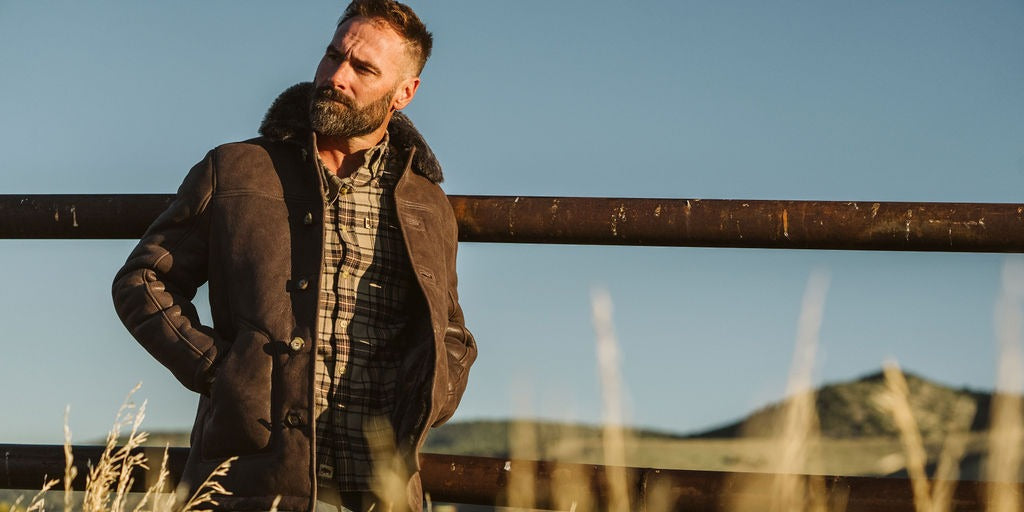
What makes a coat a barn coat, how it differs from chore coats, ranch coats and field jackets, and how shearling, leather and wool barn coats compare for warmth, weather and fit.
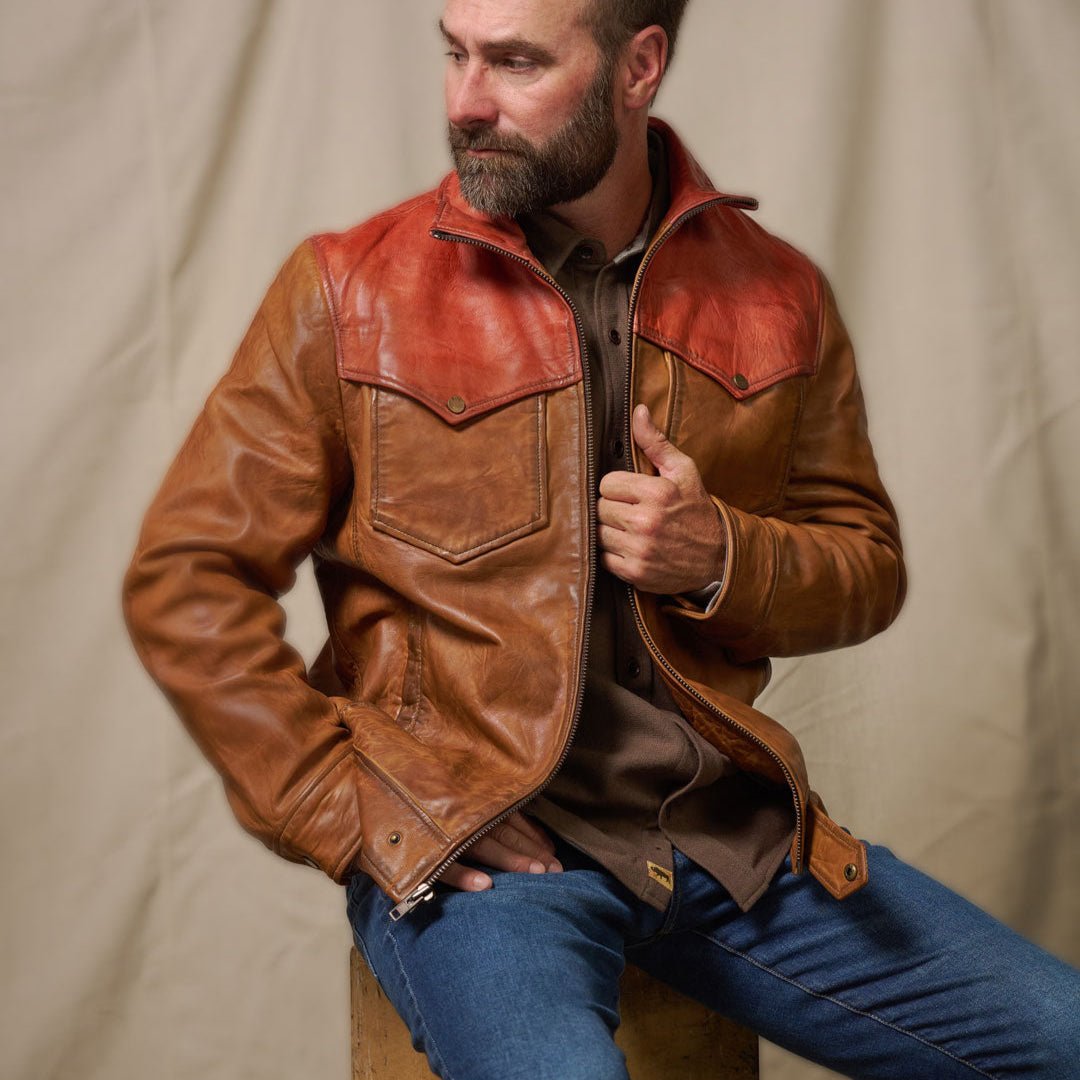
What makes a leather jacket or vest western, how western differs from trucker, moto and bomber cuts, which leather to choose, and how to wear it without looking like a costume.
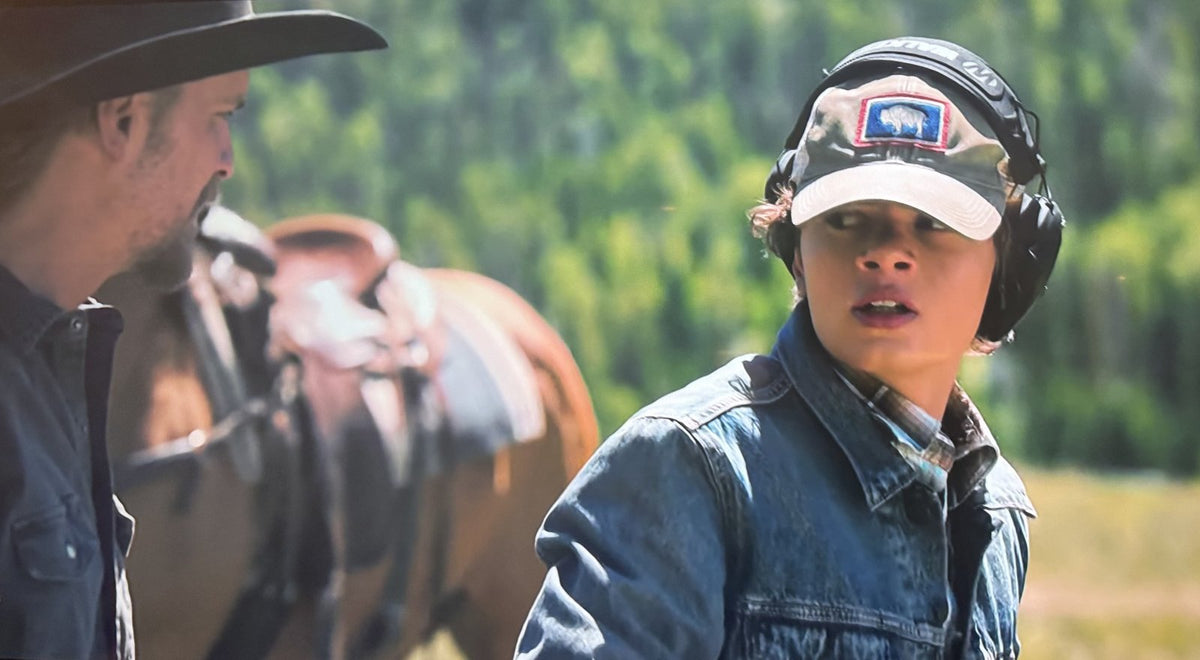
The buffalo flag cap Tate Dutton wears on Yellowstone and Marshals is the Buffalo Jackson Vintage Wyoming State Flag Hat in Green/Grey. The show's team asked us for it after Yellowstone's second season. Here is how to spot the real one.