
Close
CART (0)

A moto jacket is cut close and angled at the zip. A trucker jacket is cut straight, buttons up the front, and sits more like a shirt jacket than a motorcycle jacket. Most comparisons default to moto versus bomber and skip the trucker silhouette entirely, which leaves anyone actually choosing between the two without a real answer.
The Cafe Racer is built in distressed full-grain lambskin, cut close through the body with an asymmetric front zip, a silhouette designed to sit tight rather than layer loosely over bulk underneath. Lambskin is lighter and softer than cowhide from the first wear, which is part of the argument for this jacket specifically: a moto silhouette works best in a hide that moves with the body rather than holding its own shape stiffly against it.
The Cafe Racer uses antique brass YKK hardware, a quilted nylon interior lining, two exterior zippered pockets, two interior pockets, and adjustable zippered cuffs.
The distressed finish means the surface already carries the variation and worn character that other leathers only develop over years of wear. That is a starting point, not an endpoint. The jacket will continue to change with wear from here, the same way any full-grain leather does.
The Driggs is built in full-grain goat leather in Brown, and full-grain cow leather in Cognac Brown. The trucker cut sits straighter and boxier than the Cafe Racer, buttons rather than zips up the front, and reads closer to a shirt than a motorcycle jacket, exactly what this silhouette is built to do: layer easily over a shirt without the fitted urgency of a moto cut.
The Driggs runs trim. Anyone between sizes, or planning to layer a sweater underneath regularly, should size up rather than assume standard sizing applies. This is a fit note worth taking seriously before ordering, not after.
The Driggs arrives stiff. Full-grain goat leather and cow leather both need a period of wear before they move naturally with the body rather than holding their new-jacket shape. That stiffness is expected, not a defect, and it eases with the first weeks of regular wear. Anyone expecting a trucker jacket to feel broken in on day one is expecting something no full-grain leather jacket actually delivers new.
The Cafe Racer's lambskin starts softer by comparison, given the hide itself, though it too continues to change and soften with wear over its first months.
The Cafe Racer's asymmetric zip and close cut mean the jacket has fewer, more strategically placed seams, since a fitted moto silhouette cannot rely on a loose cut to hide extra panel lines. That construction puts real demand on the seams that do exist, particularly at the shoulder and the zip guard, which is part of why moto jackets are traditionally built from a supple hide like lambskin that can be worked into a tighter pattern without excess bulk at the seams.
The Driggs, cut straighter and closer to a button-front shirt jacket, has more room in its construction to use a slightly heavier hide without the fit feeling stiff, which is part of why cow leather works for the Cognac Brown colorway where a moto cut might demand something lighter. The trucker's front button placket and chest pockets are also a different construction challenge than a moto's zip guard, built for a garment that gets opened and closed repeatedly through a day rather than zipped once and left.
The Driggs uses antique brass buttons, two chest flap pockets, two welted side pockets, an easy-clean polyester lining, and an inside left chest pocket, with classic seam detailing that echoes its denim-trucker origin. That pocket and seam layout, not the moto's zip guard, is the trucker's actual construction signature.
The Cafe Racer's fitted cut has less room underneath for heavy layering, which suits it to cooler rather than cold conditions, worn over a t-shirt or a light sweater rather than stacked over a hoodie. Pushed into genuinely cold weather, it works better as a mid-layer under a heavier coat than as the only outer layer.
The Driggs, boxier and looser through the body, has more room to layer a flannel or a sweater underneath without the jacket feeling restrictive, which extends its useful range further into cold weather on its own. That same roominess is part of why the trim fit note above matters: what feels correctly sized empty can feel tight once a sweater is added underneath.
Most leather jacket coverage, on this site and elsewhere, defaults to moto and bomber silhouettes because those are the shapes people search for by name most often. The trucker gets treated as a variant of a denim jacket rather than as its own leather silhouette worth comparing directly against a moto cut. That gap is why this comparison earns its place: two silhouettes that solve different problems, rarely placed side by side where the actual difference in fit, layering, and use case can be weighed directly.
The moto silhouette works layered under a heavier coat in cold weather or worn alone as the outer layer in milder conditions, and it reads more directly as outerwear built for movement, a ride, a walk, an errand, rather than something worn at a desk. The trucker silhouette works as a mid-layer over a shirt in a way a moto jacket's fitted cut does not accommodate as easily, and it sits closer to everyday wear than to a specific activity.
Neither is dressier than the other by default. The difference that actually matters day to day is how each one layers and how each one sits through a full range of motion, not which one looks more purposeful standing still.
This comparison assumes both jackets will be worn, not just bought, which means questions about longevity, break-in, patina, and care matter more here than in most product copy, and all four already have a dedicated answer elsewhere on the site. How long a leather jacket actually lasts is a question with its own full answer already, so it isn't repeated here. Break-in gets the same treatment: the first weeks of wearing in a stiff new jacket are covered by a dedicated break-in guide, detailed enough that summarizing it here would shortchange it. Patina works the same way across distressed and full-grain leather regardless of silhouette, which is why how that patina forms is explained once, on its own page, rather than twice. Cleaning and conditioning round out the list, and Buffalo Jackson's leather jacket care instructions cover both the Cafe Racer and the Driggs equally, so there's nothing silhouette-specific to add here. This article stays with the comparison between these two silhouettes specifically, since repeating any of that ground here would just compete with pages the site already has working.
Because the Driggs uses full-grain goat leather in Brown and cow leather in Cognac Brown, the two colorways are not simply two shades of the same hide. Goat leather and cow leather age differently, take a break-in differently, and can vary slightly in weight and texture, so someone choosing between the two colorways is making a hide decision as much as a color decision. Confirming the hide listed on the specific colorway's live product page before ordering is worth the extra step, rather than assuming both colorways behave identically.
The Cafe Racer's adjustable zippered cuffs are built for a tighter seal at the wrist, which matters more on a jacket meant to be worn in motion, on a ride or a walk, than on one meant to sit at a desk. That cuff detail is part of the same fitted logic as the asymmetric zip: nothing loose that could catch or flap.
The Driggs closes with antique brass buttons rather than zips, a straightforward front that matches its denim-trucker origin rather than a motorcycle jacket's hardware-heavy closures. Neither approach is better construction. Each closure style is doing the job its silhouette actually needs.
Someone who wants a jacket that reads as motorcycle-adjacent outerwear, fitted close, worn as a defined outer layer, should look at the Cafe Racer. Someone who wants a jacket that works more like a heavier shirt, layering over what is already being worn rather than replacing it, should look at the Driggs, sized up if there is any doubt about fit.
Both are full-grain leather. Both require the same honest expectation that a new leather jacket needs a break-in period and will look different in a year than it does on the day it arrives. Beyond that, the choice is about the silhouette each person actually wears, not about one jacket being a stronger version of the other.
Trying on both, if that option exists, settles the fit question faster than reading a size chart alone, particularly given the Driggs runs trim and the two jackets carry weight differently across the shoulder given their different cuts.

Written by
Xan Hood
Founder and CEO of Buffalo Jackson, a heritage leather goods and outerwear brand started in 2009. Xan leads product development personally and writes about full-grain leather, craftsmanship, and heritage apparel from 17 years of firsthand experience.
More about Xan →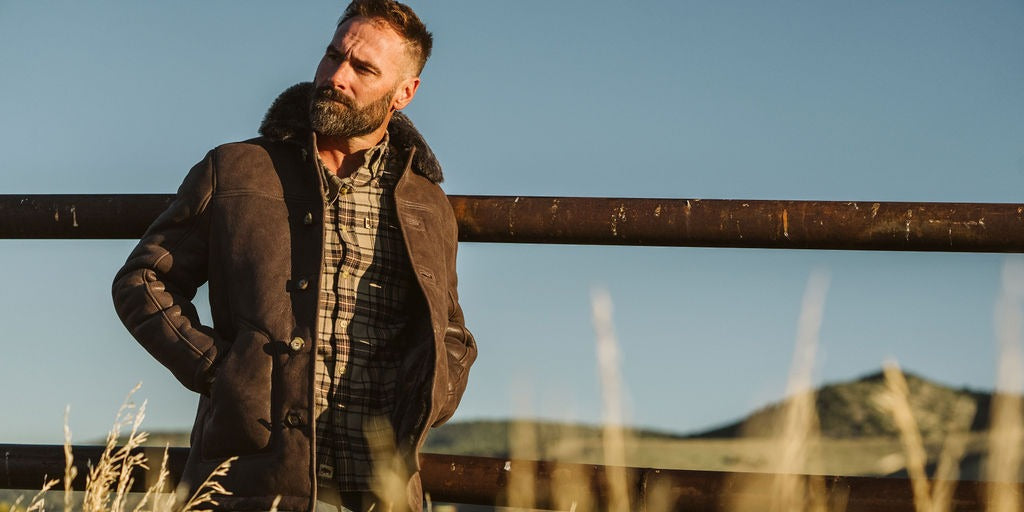
What makes a coat a barn coat, how it differs from chore coats, ranch coats and field jackets, and how shearling, leather and wool barn coats compare for warmth, weather and fit.
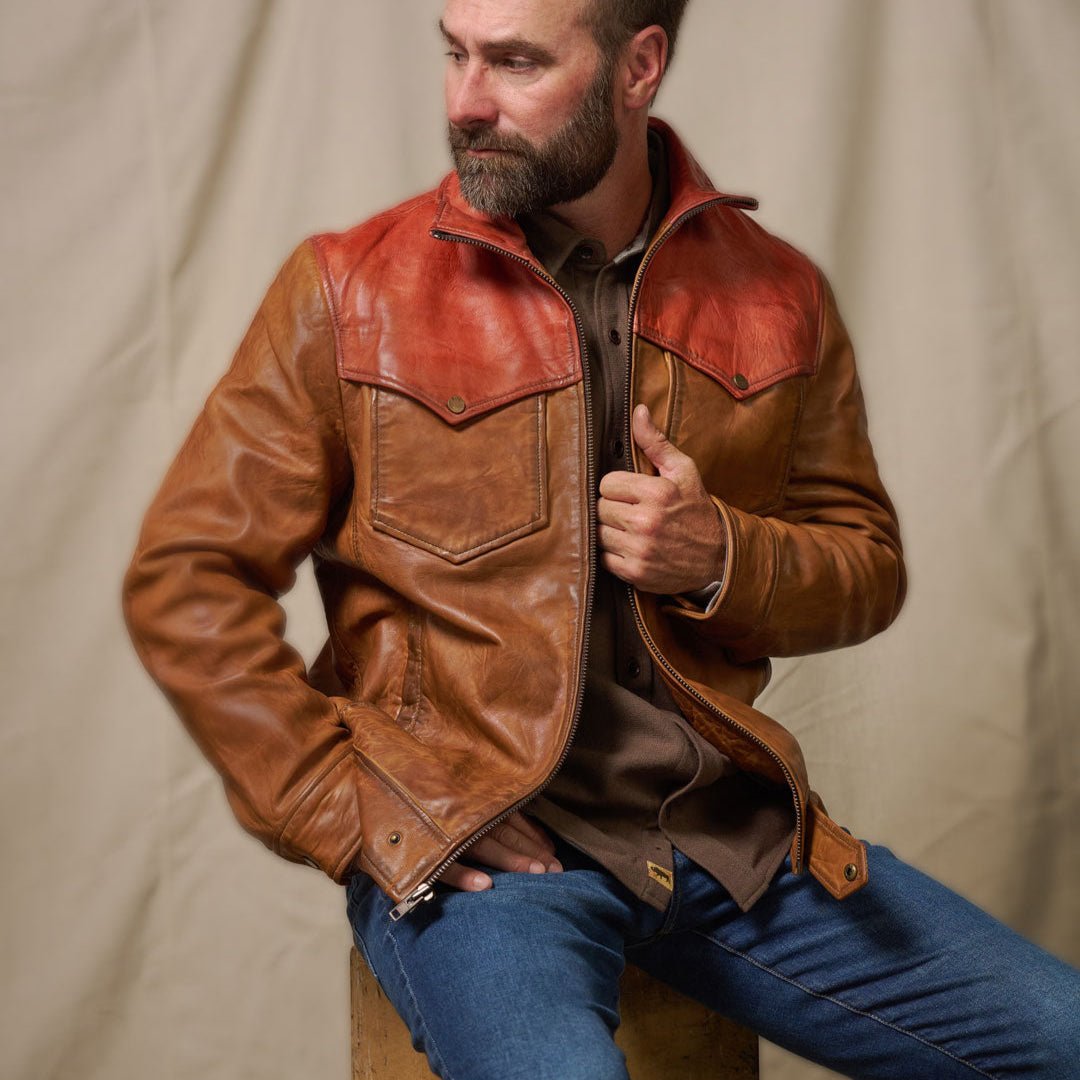
What makes a leather jacket or vest western, how western differs from trucker, moto and bomber cuts, which leather to choose, and how to wear it without looking like a costume.
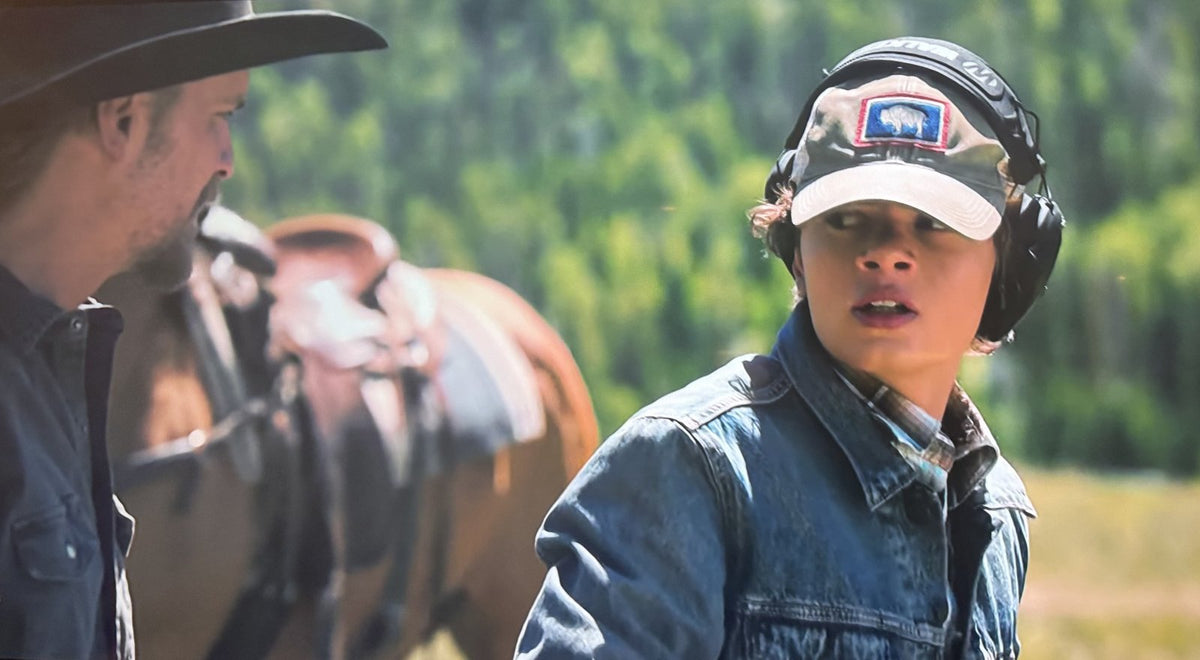
The buffalo flag cap Tate Dutton wears on Yellowstone and Marshals is the Buffalo Jackson Vintage Wyoming State Flag Hat in Green/Grey. The show's team asked us for it after Yellowstone's second season. Here is how to spot the real one.