
Close
CART (0)
Field Notes · Heritage
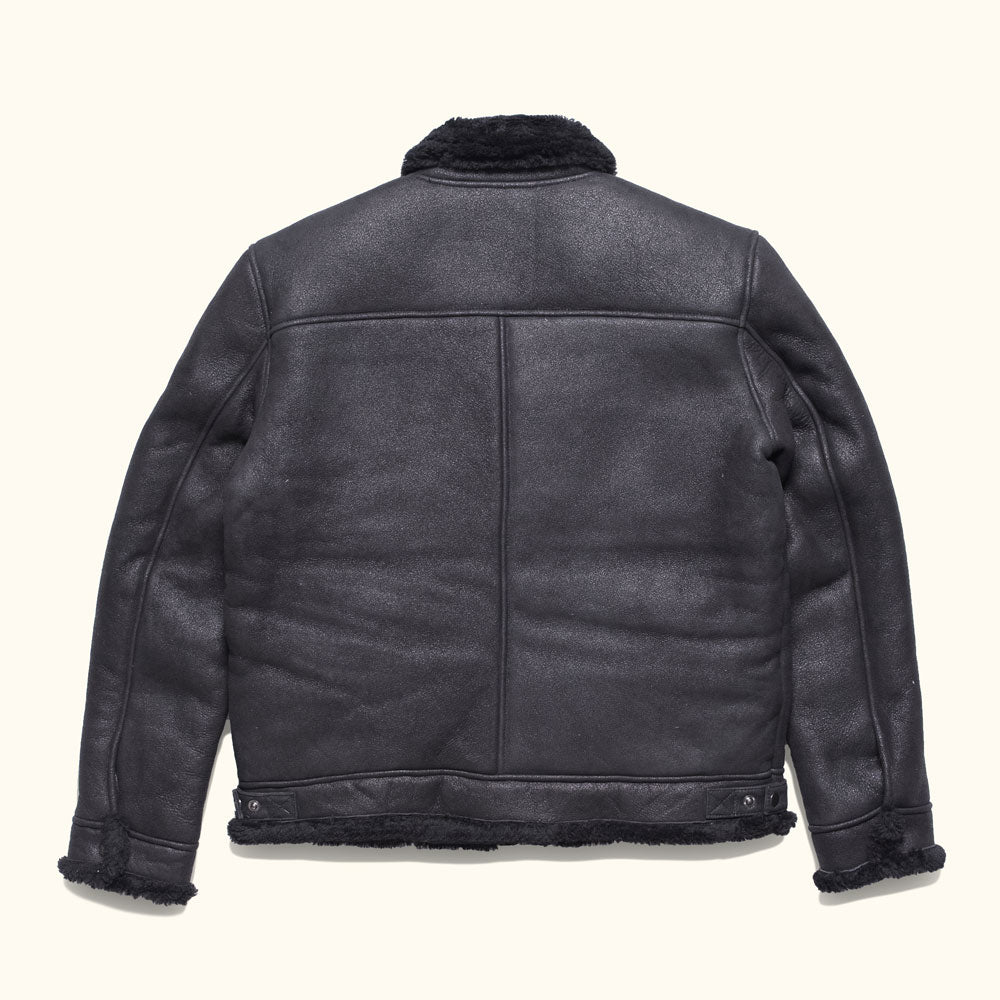
People have worn sheepskin with the wool on for as long as they have kept sheep. The shearling jacket as we know it was born in the air. In the 1920s and 30s, pilots in open and unheated cockpits needed something that would keep them alive at altitude, and the answer was sheepskin. Britain's Royal Air Force adopted the Irvin jacket, and in 1934 the U.S. Army Air Corps adopted the Type B-3, which bomber crews wore over Europe in the Second World War.
After the war the jacket came home on the backs of veterans. It went west on ranchers, into the counterculture as the Afghan coat, onto 1970s football touchlines and luxury runways, and it has never really left.
Most histories of the shearling jacket are padded with movie stars who never wore one. This one sticks to what happened. It combines what we previously published as two separate histories into one, corrected and expanded.
I care about getting it right because our own shearling bombers descend directly from the B-3. When we cut a collar or set a waist snap, we are working from a pattern that kept men alive at 25,000 feet.
| Era | What happened |
|---|---|
| Prehistory | Sheep and goat hides worn with the hair on. Ötzi the Iceman, about 3300 BC, wore a coat pieced from sheep and goat skins. |
| Centuries before 1900 | Sheepskin coats become standard winter dress across the steppe and mountains: the Russian tulup, the Afghan posteen, shepherd's coats across Europe and Anatolia. |
| 1910s | First World War aviators in open cockpits wear leather and fur-lined flying gear against the cold. |
| 1920s–30s | Leslie Irvin's sheepskin flying jacket is adopted by the Royal Air Force. |
| 1934 | U.S. Army Air Corps adopts the Type B-3 sheepskin flying jacket. |
| 1941–45 | B-3s and Irvins worn by bomber crews in unheated aircraft over Europe and the Pacific. |
| Mid-1940s | Lighter jackets such as the B-10 and B-15 and electrically heated suits begin replacing the heavy sheepskin. |
| Late 1940s–50s | War surplus puts flying jackets on civilians. Sheepskin rancher coats become a Western working staple. |
| Late 1960s | Embroidered Afghan sheepskin coats become a counterculture uniform in London and San Francisco. |
| 1970s | The sheepskin coat goes mainstream, from ski towns to British football touchlines. |
| 1980s–2000s | Luxury houses dye, shave and tailor shearling into fashion pieces. Faux shearling spreads. |
| 2010s–today | Shearling aviators return to the runways. Buyers push for real sheepskin that lasts over synthetic that doesn't. |
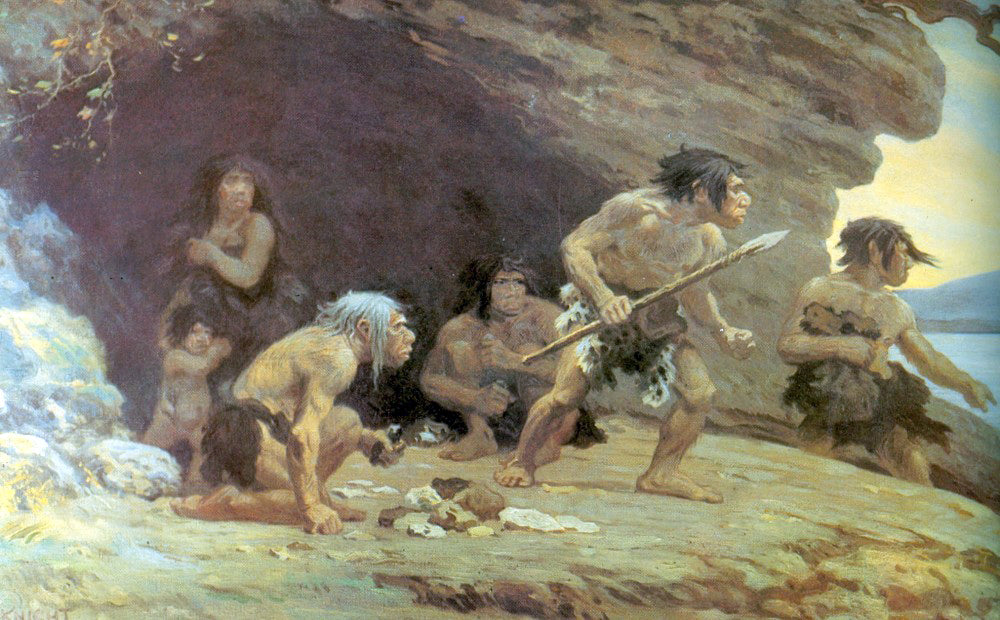
Sheep were among the first animals humans domesticated, and their skins were worn long before anyone wove wool into cloth. A hide with the fleece left on is the simplest warm garment there is: one piece that blocks wind on the outside and traps heat on the inside.
The best-known example is Ötzi, the man found frozen in the Alps in 1991. He died around 3300 BC, and when researchers analyzed his clothing they found a coat stitched together from the hides of sheep and goats.
For thousands of years afterward, wherever winters were hard and sheep were plentiful, people wore sheepskin coats. The Russian tulup was a long, wool-in sheepskin worn by coachmen and peasants. The posteen of Afghanistan was a sheepskin coat worn suede-out and often embroidered. Shepherds across the Balkans, Anatolia and Spain wore their own versions. None of them were fashion. They were how you got through January.
Aviation turned the sheepskin coat into the shearling jacket. Air temperature drops roughly 3.5°F for every thousand feet of altitude, so a pilot in an open cockpit at 15,000 feet on a mild day was sitting in well-below-freezing air in a 100 mph wind. First World War aviators wore whatever leather and fur they could get. What they needed was a garment designed for it.
Leslie Irvin, an American parachute maker who set up a factory in Britain, designed a heavy sheepskin flying jacket with the wool inside, a big collar and a zip front. The Royal Air Force adopted it in the 1930s, and it became the jacket of the Battle of Britain. Demand was so high during the war that Irvin subcontracted production, which is why surviving Irvins come in mismatched panels and colors.
In 1934 the U.S. Army Air Corps adopted the Type B-3, a heavy sheepskin jacket with the fleece turned inward, a wide shearling collar with leather straps to close it over the throat, and a short waist so a gunner could move in a cramped turret. It was built for the long-range bombers the Air Corps was about to fly.
When the Eighth Air Force began flying daylight missions over Europe, crews in B-17s and B-24s spent hours at 25,000 feet and above in aircraft that were neither heated nor sealed. Temperatures inside fell to 40 below and lower. Waist gunners stood at open windows. Frostbite was one of the most common injuries among heavy bomber crews, and a gunner's bare hand on a metal gun at that temperature could freeze to it. The B-3, with matching sheepskin trousers, boots and gloves, was the first line of defense.
The B-3 was warm, and it was also heavy and bulky, which made it hard to move in and hard to get out of an aircraft in a hurry. By the middle of the war, electrically heated suits and lighter jackets like the B-10 and B-15, with alpaca pile linings and mouton collars, were taking over. The sheepskin flying jacket was retired from the front line, but crews kept theirs, and so did the public imagination.
Why this matters when you buy one: the features people now think of as style, the big collar, the short waist, the wool turned inward, were all engineering. A shearling jacket that keeps them for real reasons will be warmer than one that copies them for looks.
Millions of servicemen came home in 1945, and war surplus put flying jackets into ordinary closets. They were warm, tough and carried the prestige of the men who had flown in them.
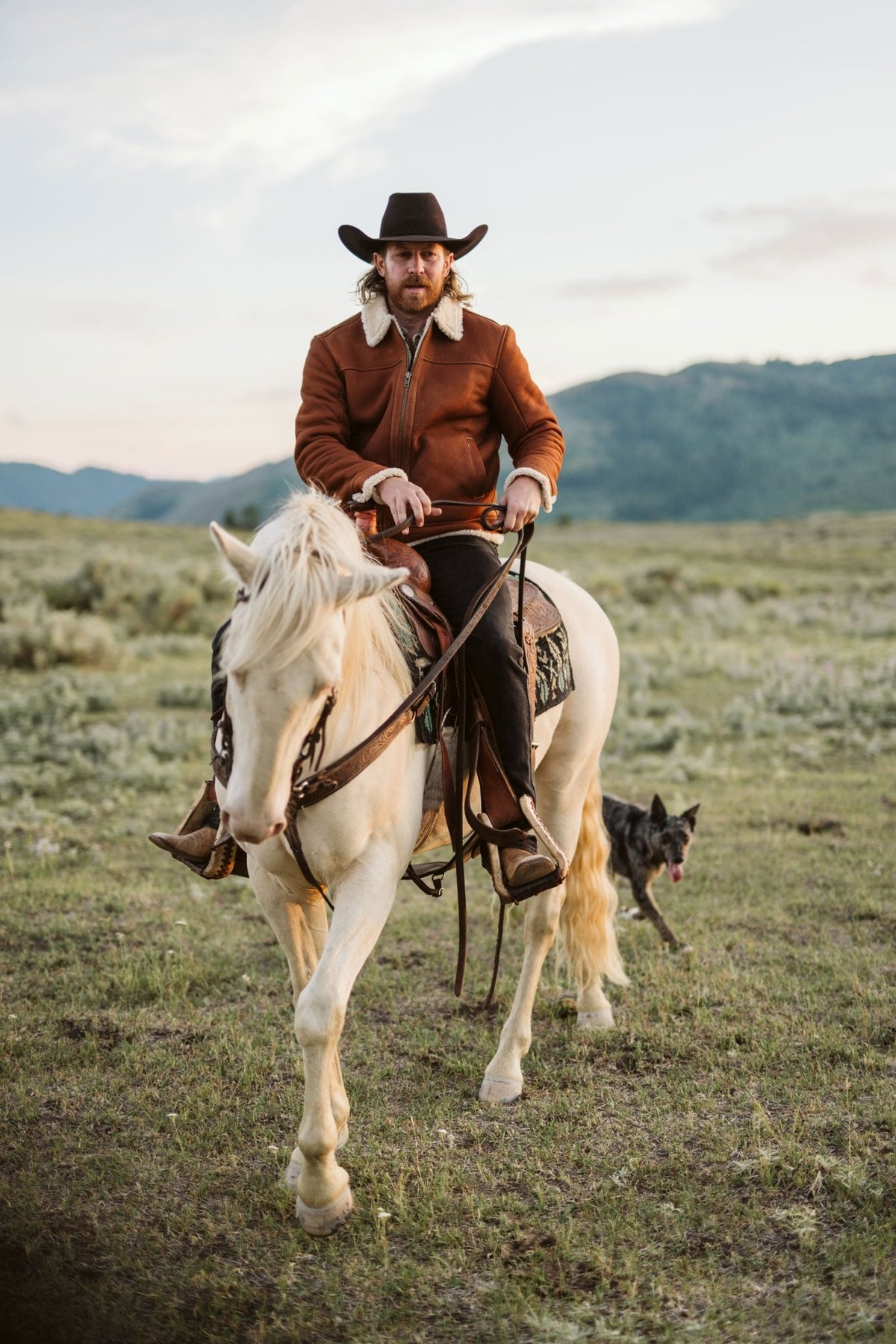
Out West, the sheepskin rancher coat was already a working garment: usually suede-out, wool-in, hip length, with a deep shearling collar and big pockets. Ranchers wore them feeding cattle in blizzards on the high plains because nothing else would do. That coat is the ancestor of every shearling barn coat and trucker jacket since, including our Durango.
In the late 1960s, travelers on the overland "hippie trail" through Afghanistan brought back embroidered sheepskin posteens. By 1967 Afghan coats were all over London and San Francisco. The Beatles wore them. They were beautiful and, in the early days, often badly cured, which gave them a famous smell in the rain.
By the 1970s the sheepskin coat had gone fully mainstream. It was the uniform of ski towns and of British football managers and commentators; broadcaster John Motson wore one on the touchline for decades, and it became his trademark.
From the 1980s on, fashion houses treated shearling as a luxury fabric: dyed, shaved, bonded and cut into coats that had little to do with cold. At the same time, cheap synthetic pile, sold as sherpa or faux shearling, let anyone buy the look for a fraction of the price.
The flying jacket came back hard in the 2010s. Burberry's autumn 2010 collection was built around shearling aviator jackets, and designers have returned to the B-3 shape almost every winter since. What buyers are asking for now is the real thing: sheepskin that is honestly sourced, tanned well and built to last decades rather than a season. Shearling is a by-product of the meat industry, and a jacket worn for twenty years is about as sustainable as clothing gets.
Plenty of shearling histories online, including an earlier version of ours, repeat claims that don't hold up. For the record:
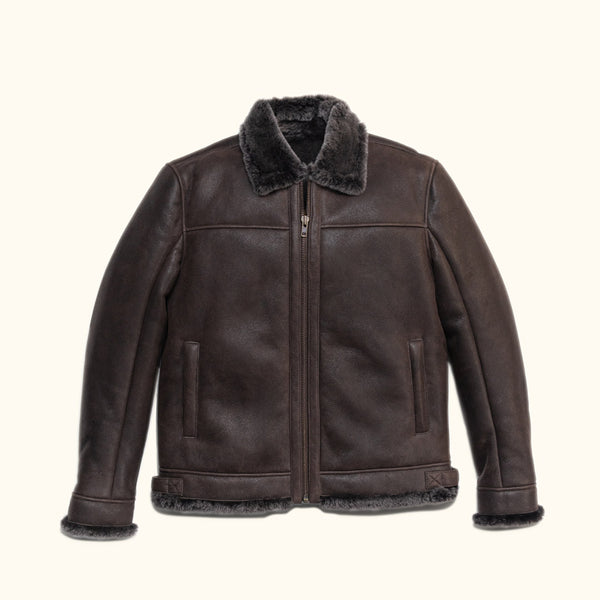
Our Shearling Leather Bomber keeps the lineage: merino sheepskin tanned in Turkey, wool turned inward, a real shearling collar. Five colors, rated 4.9 by 48 owners. $899.95
See the shearling lineSheepskin coats with the wool on are prehistoric, but the shearling jacket as a tailored garment took shape with military aviation in the 1920s and 1930s. The RAF adopted the Irvin jacket in the 1930s and the U.S. Army Air Corps adopted the B-3 in 1934.
The Type B-3 is a heavy sheepskin flying jacket adopted by the U.S. Army Air Corps in 1934. It has the wool turned inward, a wide shearling collar with leather straps, and a short waist. Bomber crews wore it in unheated aircraft during the Second World War.
The Irvin is a sheepskin flying jacket designed by parachute maker Leslie Irvin and adopted by the Royal Air Force in the 1930s. It was the standard RAF flying jacket of the Battle of Britain.
Because the aircraft were not heated or sealed. At bombing altitudes of 25,000 feet and above, temperatures inside a B-17 or B-24 fell to 40 below and lower, and frostbite was a common injury. Sheepskin was the warmest practical material available.
A flight jacket is any jacket issued to aircrew. The bomber jacket usually means the heavy sheepskin types like the B-3 worn by bomber crews, or more loosely the later nylon MA-1. Both descend from the same military aviation lineage.
An Afghan coat, or posteen, is a traditional Afghan sheepskin coat worn suede-out with the wool inside, often heavily embroidered. It became a counterculture fashion in the late 1960s and was worn by the Beatles, among many others.
Not in The Wild One. His jacket in that film was a black leather motorcycle jacket, which is often misreported as shearling.
Yes. Shearling aviator and bomber jackets have returned to designer collections nearly every winter since the early 2010s, and shearling barn coats and trucker jackets are staples of Western and workwear style. A well made shearling jacket is one of the few coats that has never really gone out of style.
Shearling is a by-product of the meat industry, so it uses hides that would otherwise be discarded, and a well made shearling jacket can last for decades. The environmental cost of tanning varies a lot by tannery, so buying from makers who source from established, well-run tanneries matters.
Xan Hood founded Buffalo Jackson Trading Co. in 2009 and has spent the years since working with tanneries and workshops on leather and shearling outerwear. He writes about the history behind the things we wear.