

Close
CART (0)

The Ryder Reserve Bison Leather Billfold arrives stiff. That is the honest starting point, not a flaw to explain away. Bison leather is dense and full-grain, and a new billfold needs several weeks of pocket carry, plus a conditioning pass or two, before the fold softens and the leather starts moving with the hand instead of against it. Weighing it against the rest of the leather wallets lineup means weighing that break-in period alongside the card count and price, not just the leather itself.
Out of the box, the bison leather is matte, evenly colored, and noticeably firmer than a cowhide wallet of the same thickness. Bison hide has a tighter grain structure than cowhide, which is part of why it resists scuffing early on but also why it takes longer to break in. The fold does not sit flat on its own for the first week or two. That stiffness eases with handling, not with waiting.
The billfold itself is spare: an ID slot and four credit card spaces, lined in cotton, in 100% bison leather, vegetable-tanned.
This is where the break-in actually happens. Pocket heat and the natural oils from handling begin working into the grain, and the fold starts creasing at the same points each time it opens, rather than resisting at a new point every day. A light leather conditioner applied every one to two weeks during this stretch speeds the process without oversaturating the hide. Skipping conditioner entirely just means the same softening happens more slowly, through wear alone.
The card slots and bill compartment are the first parts to show handling, since they flex the most per day. This is normal and is the same mechanism that eventually produces even color change across the whole billfold.
By week six to eight, the fold closes flat without resistance, and the leather has taken on a noticeably deeper tone at the corners and along the spine, the points that get the most contact. This is not damage. It is the surface oxidizing and picking up oil from handling, which is what full-grain leather does when it is used rather than displayed. Bison leather tends to darken more evenly across the surface than cowhide, since its tighter grain resists the blotchy patina that thinner or more porous hides sometimes show.
Past the first year, the pattern is set. The corners and spine continue to darken gradually, the card slots show the most surface change since they see the most contact, and the body of the billfold holds its color longer since it is handled less directly. Bison leather's density means it resists surface scuffing well into years of carry, though it will still show it eventually, particularly at points that rub against keys or coins in the same pocket.
Condition the billfold every three to six months to keep the leather from drying out, more often in low-humidity climates. That interval, not a one-time treatment, is what keeps the leather supple over years rather than just in the first months.
Patina on bison leather shows up as a gradual darkening and a slight increase in sheen at contact points, rather than the more dramatic color shift some vegetable-tanned cowhides develop. The change is slower to start, given the break-in period noted above, but the tighter grain structure means the surface stays smoother and shows fewer stray marks along the way. The mechanics behind that darkening, oxidation and oil absorption acting on the grain, work the same way across every full-grain piece the brand makes, a process the patina and distressing writeup breaks down in more depth than a wallet-specific piece needs to.
Bison hide's tighter grain is the reason it was chosen for a billfold meant to age over years of daily carry rather than months. That same density is why the break-in period runs longer than a lighter cowhide wallet would need. The two are connected: the qualities that make bison resistant to scuffing over the long run are the same ones that make it firm for the first several weeks. There is no version of this leather that softens quickly and also holds its surface for years. One trade-off buys the other.
Leather dries out faster in low-humidity climates and in heated indoor air during winter months, which shortens the interval between conditioning passes. A billfold stored in a back pocket through a dry winter will need attention closer to the three-month mark than the six-month mark, a schedule the site's own wallet care instructions cover for any leather wallet, not just this one. Left in a drawer rather than carried daily, the same billfold dries more slowly but also stops developing the handling patina described above, since patina comes from use, not from time alone.
A new bison leather billfold is stiff, and that stiffness is not a defect. It eases over four to eight weeks of carry and light conditioning, then settles into a slow, even darkening that continues for years. Expecting it to feel broken in on day one means buying the wrong hide. Carried through the first two months, it looks and handles better a year in than it did new.

Written by
Xan Hood
Founder and CEO of Buffalo Jackson, a heritage leather goods and outerwear brand started in 2009. Xan leads product development personally and writes about full-grain leather, craftsmanship, and heritage apparel from 17 years of firsthand experience.
More about Xan →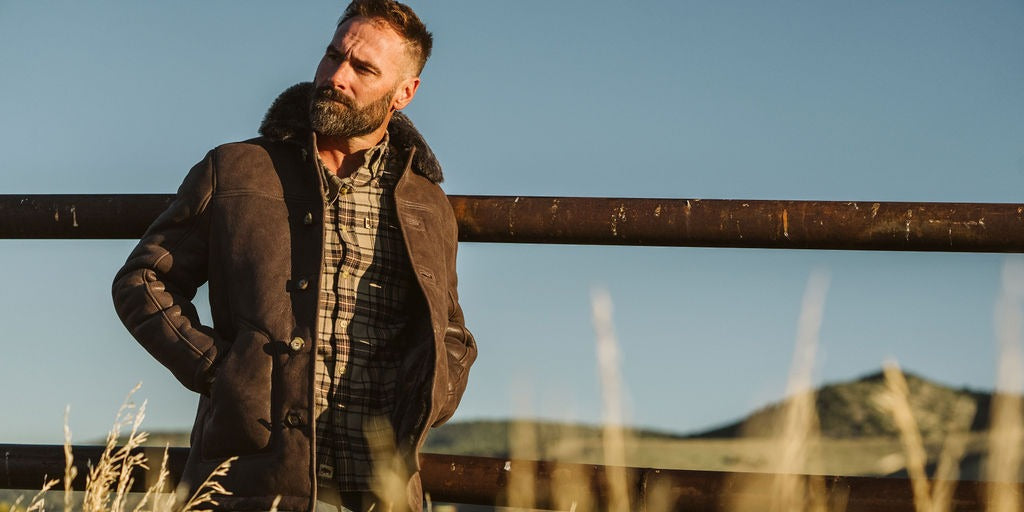
What makes a coat a barn coat, how it differs from chore coats, ranch coats and field jackets, and how shearling, leather and wool barn coats compare for warmth, weather and fit.
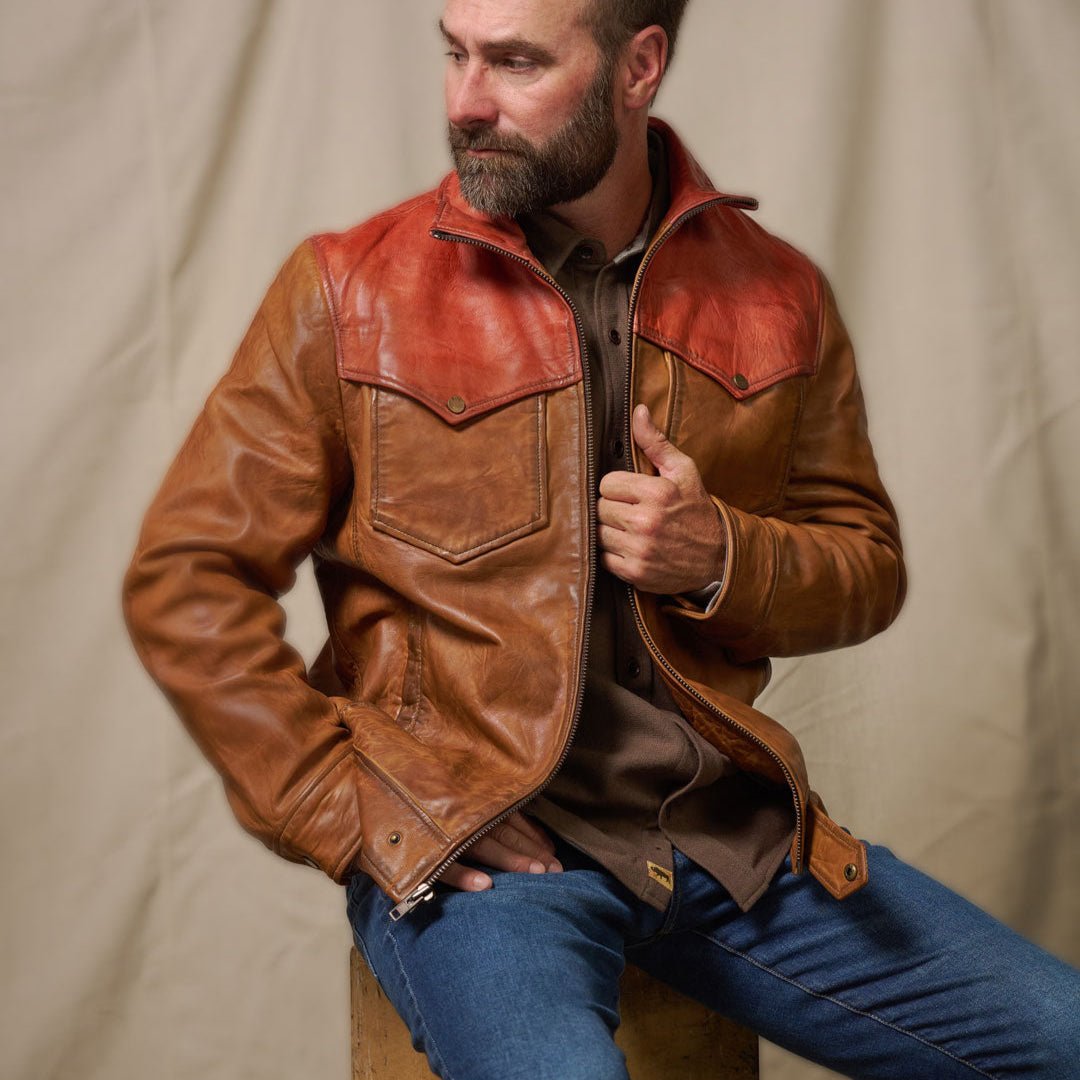
What makes a leather jacket or vest western, how western differs from trucker, moto and bomber cuts, which leather to choose, and how to wear it without looking like a costume.
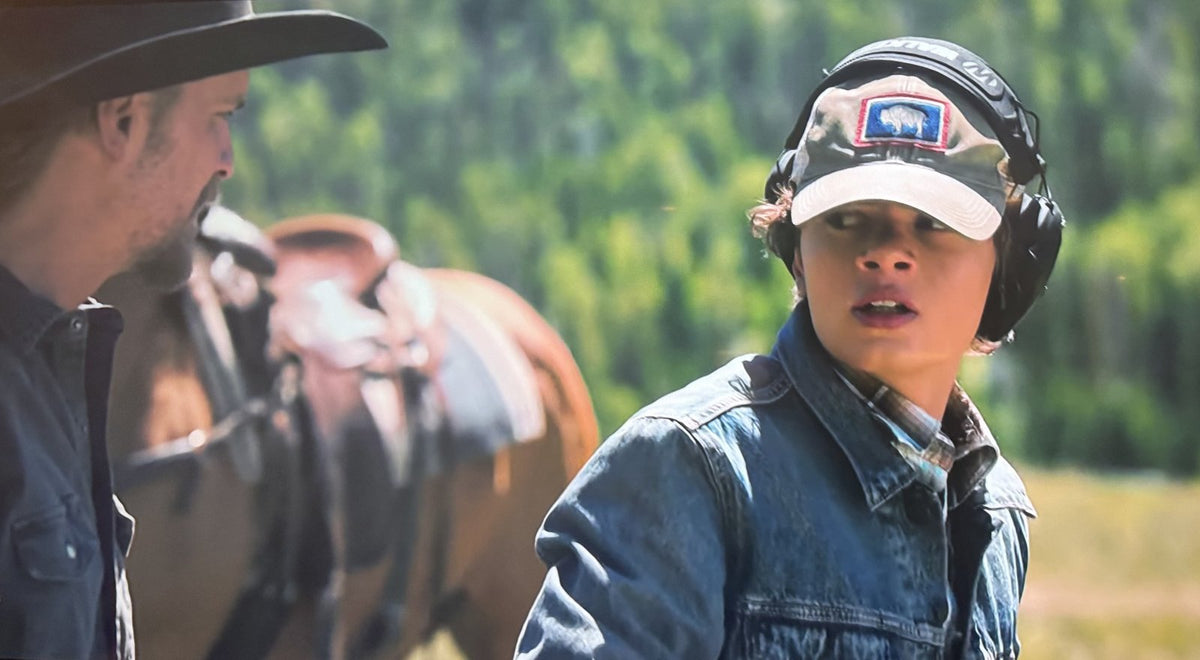
The buffalo flag cap Tate Dutton wears on Yellowstone and Marshals is the Buffalo Jackson Vintage Wyoming State Flag Hat in Green/Grey. The show's team asked us for it after Yellowstone's second season. Here is how to spot the real one.