
Close
CART (0)

The leather jacket that's "in style" in 2026 isn't the one that was in style in 2010, and definitely isn't the one that was in style in 1985. What changed isn't the jacket. It's the way it's worn, and what it's worn with.
If you're a man over 35 standing in front of your closet wondering whether the brown leather jacket you've owned for a decade still works — or whether the new one you're considering will look dated by next fall — this is for you. We've been making leather outerwear at Buffalo Jackson for many years, and the same question shows up every single season. Here's the honest answer, with no trend cycling and no fashion-magazine hedging.
A well-cut leather jacket in a real color (brown, oxblood/cognac, distressed black, tan) is one of the most timeless pieces of menswear that exists. It is not "back in style" because it never left. What rotates is the silhouette, the styling, and which cultural reference point is dominant in any given decade. A leather jacket built right will outlast every one of those cycles.
Fit — overly fitted reads early-2010s; wildly oversized reads 2022 streetwear.
Hardware — heavy chrome zippers and lots of buckles read 1985 biker or 2008 mall-goth.
Finish — plasticky, uniform top-coat finishes read fast-fashion and age badly.
Length — cropped above the natural waist reads dated to most men over 30. Mid-hip to just-past-waist is the sweet spot.
If your jacket is a moderate cut, in a real leather color, with minimal flashy hardware, and the leather has any character to it — you're fine. You will be fine in five years. You'll likely be fine in fifteen.
Three pieces of menswear have functioned as a kind of cultural backbone for about a hundred years: a good pair of denim jeans, a white oxford shirt, and a leather jacket. The reason isn't fashion — it's that these garments started as workwear or military gear and only later became style. They were designed to function before they were designed to look like anything.
The leather jacket as we know it traces back to the early 1900s aviator and motorcycle jackets — pieces built to keep men warm on cold engines and in open cockpits. Marlon Brando in The Wild One (1953) put the moto jacket into the cultural bloodstream. Steve McQueen and the field jacket adjacencies of the 1960s and '70s made the bomber a casual staple. By the '80s and '90s the leather jacket had been adopted by punks, by Wall Street, by Indiana Jones, and by Tom Cruise in Top Gun — and it survived all of them.
"A garment that can be worn by a fighter pilot, a biker, an archaeologist, a punk, a businessman, and a country musician across seventy years without anyone questioning whether it 'still works' is not a trend item. It's a style constant."
If leather jackets are timeless, then what's the catch? The catch is that the styling around them has moved. Most men who feel like their leather jacket "doesn't work anymore" are usually pairing it with the wrong shirt, the wrong pants, or the wrong shoes — not wearing the wrong jacket.
Here's what's shifted:
Layering is more relaxed. The mid-2010s style of leather jacket over slim-cut henley over skinny jeans is genuinely dated now. The 2026 version is a leather jacket over a heavier knit, a flannel, a chambray, or a quarter-zip — with pants that have a real cut to them (straight or relaxed taper) rather than painted-on skinny.
Boots have replaced sneakers as the natural pairing for most men over 30. A leather jacket with white low-top sneakers reads either very young or like a guy trying to look young. With a pair of broken-in leather boots — moc-toe, chukka, roper, or harness — the whole outfit settles into place.
Color has loosened up. Black leather still works, but it's no longer the default. Brown, tan, oxblood, and distressed/saddle finishes are doing more of the heavy lifting because they're easier to integrate with the earthier, more textural menswear palette that's been dominant for several years now.
The "moto" cut has receded; the bomber, field, and rancher cuts have advanced. A heavy asymmetric-zip moto jacket with diagonal pockets and shoulder epaulets is the single most identifiable "dated leather jacket" silhouette for a man over 35. Bomber jackets, field jackets, ranch coats, and clean-front zip jackets read current and probably always will.
If you're investing in a leather jacket and want it to still look right in 2031, these are the safe bets:
A bomber jacket is fitted at the cuffs and hem, slightly fuller through the body, and almost always has a stand collar or shearling collar. Originally a flight jacket. It works with everything from a t-shirt to a button-down, in any environment from a parking lot to a nice dinner. A shearling-collar bomber in brown leather is one of the most versatile pieces of outerwear a man can own. It will not look dated in 2035. Our Maverick Leather Bomber is the classic distressed-brown lambskin version of this silhouette; the Shearling Leather Bomber is the heavier, B-3-lineage version built for serious cold.
A four-pocket front, mid-hip length, often with a relaxed cut and minimal hardware. This is the most "American" of leather jacket silhouettes — adjacent to military field jackets and ranch coats. It pairs naturally with boots, denim, flannel, and the broader heritage menswear palette. A field-cut leather jacket reads outdoorsy, capable, and lived-in rather than fashion-forward, which is exactly why it ages well. Our Sheridan Leather Barn Jacket sits squarely in this lane.
The cafe racer is a slim-cut, clean-front jacket with minimal pockets and a small banded collar — originally a motorcycle racing jacket from postwar England. It's the lower-profile cousin of the moto, and unlike the moto, it doesn't shout. In a quality leather with subtle hardware, it works as well over a button-down as it does over a t-shirt. The Driggs Leather Jacket is our full-grain take on this cut, with seam details that nod toward a classic denim trucker silhouette.
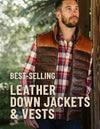
Slightly longer than a bomber, often with a wider shawl or notched collar, and a shearling lining that shows at the collar and cuffs. This is the leather jacket equivalent of a topcoat — slightly dressier, warmer, and built for cold weather. The shearling vest version is one of the easiest layering pieces you can own. Our Jackson Shearling Leather Jacket is the full-lined coat version, and the Bridger Leather Down Jacket and Bridger Leather Down Vest sit in the puffer-meets-leather corner of the same idea.
A few things that almost guarantee a leather jacket will look dated within a couple of seasons:
If you already own a leather jacket and you're wondering whether it still has life in it, run this quick check:
If you can answer yes to three out of four, the jacket still works. You just may need to update what you wear it with — better boots, looser pants, a chunkier knit underneath.
The reason this question gets asked so often is that the menswear internet has a financial incentive to convince you that everything in your closet is one season away from being "out." A leather jacket that genuinely fits well, in a real leather, in a moderate cut, in a real color — that jacket is not the problem. That jacket is the answer.
"Buy the jacket that you'd be happy wearing in fifteen years. Buy the leather you'd be willing to repair rather than replace. Buy the cut that doesn't shout."
The men who look best in leather jackets in 2026 are the men who bought one good jacket five or ten years ago, wore it constantly, let it earn its patina, and updated the boots and the shirts around it as the broader menswear landscape shifted. That's the play. It always has been.
The trend cycle can't touch a jacket built that way — and frankly, neither can most of the men wearing fast-fashion in your zip code.
Shop the Men's Leather Jacket Collection →Are leather jackets out of style for 2026?
No. A well-cut leather jacket in a quality hide is one of the most reliably timeless pieces of menswear. What rotates is the styling around it — pants, boots, layering — not the jacket itself. The silhouettes most likely to read current are bombers, field jackets, ranch coats, and clean cafe racers in moderate cuts. The silhouettes most likely to read dated are heavy asymmetric moto jackets and overly fitted slim cuts from the early 2010s.
What color leather jacket is most timeless for men?
Brown is the most versatile across decades — it integrates with denim, khaki, flannel, knits, and most footwear. Distressed black is the second-most reliable. Oxblood, tan, and saddle finishes have all aged well and work with the heritage-leaning menswear palette that's been dominant for a decade plus.
Is a leather jacket appropriate for men over 40?
Absolutely — arguably more so than for younger men. A leather jacket on a man with some real life behind him reads as confident rather than affected. The keys for any man past 40 are a moderate cut (not body-conscious), a quality hide that's developed real character, minimal flashy hardware, and pairing with boots rather than sneakers.
How long should a leather jacket last?
A well-made leather jacket in real cowhide, bison, or lambskin should last 15–30 years with regular wear and basic care. Many last longer. This is the entire argument for paying for quality once rather than buying a $200 jacket every three years.
Can you wear a leather jacket in your 50s and 60s?
Yes. Steve McQueen wore one until the end. Bruce Springsteen still does. Robert Redford did. The leather jacket has no upper age limit — what matters is the cut and the styling. Stick to bombers, field jackets, and ranch cuts. Avoid asymmetric moto jackets and anything overly fitted. Pair with boots, real pants, and a proper knit or shirt underneath.

Written by
Xan Hood
Founder and CEO of Buffalo Jackson, a heritage leather goods and outerwear brand started in 2009. Xan leads product development personally and writes about full-grain leather, craftsmanship, and heritage apparel from 17 years of firsthand experience.
More about Xan →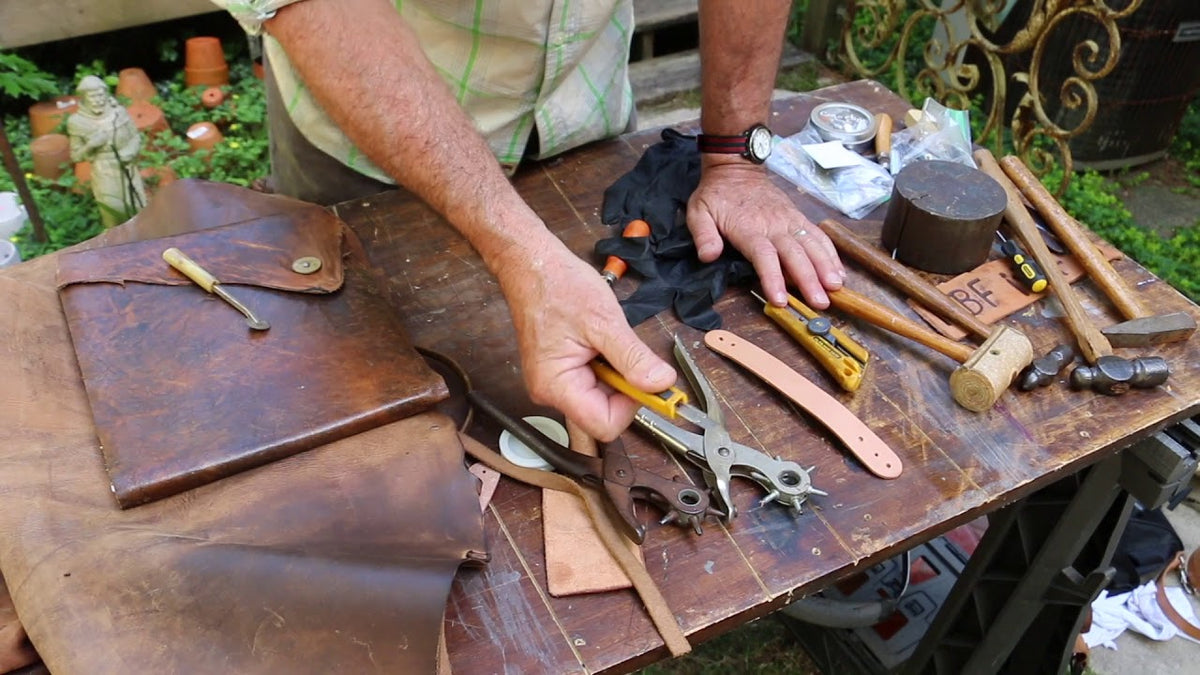
The tools and steps for simple leather bag repairs at home: punching a new strap hole, setting a rivet, slicking an edge, and knowing when to call a pro.
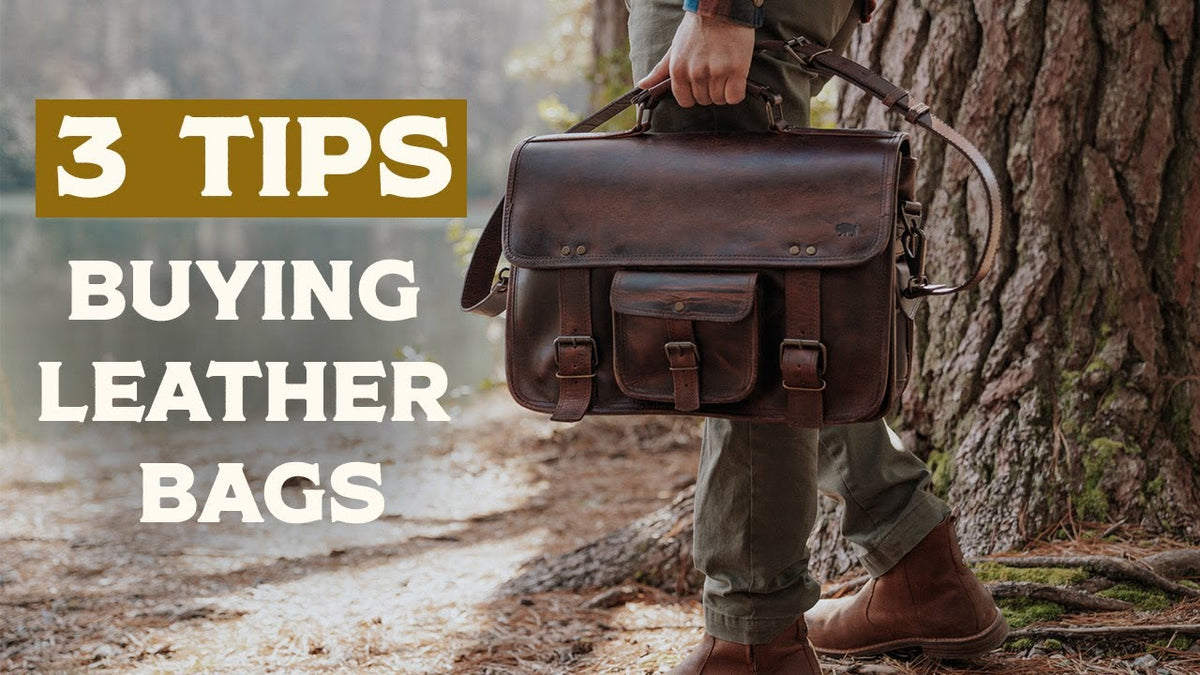
Three things to check before you buy a leather bag: the grade of leather, the hardware, and whether the style fits how you'll use it.
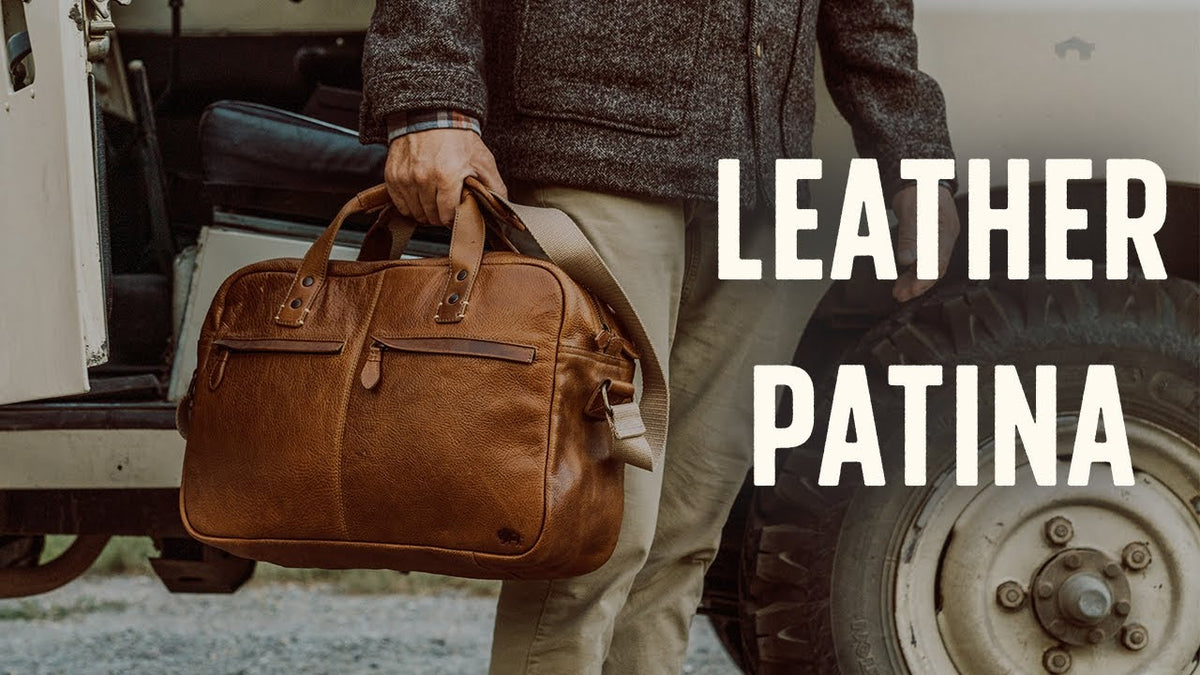
What leather patina is, what causes it, and 6 steps to develop a rich patina on full-grain leather, with our video.