
Close
CART (0)

A welted card slot has a folded strip of leather stitched along its mouth before it is set into the wallet body. That fold reinforces the opening edge, the part of the slot that flexes every time a card goes in or comes out. An unwelted slot skips that fold and stitches the raw edge of a single leather layer directly, which puts the entire flex load on one seam with no reinforcement behind it. It is a detail no spec sheet in the leather wallets lineup calls out by name, which is exactly why it is worth explaining here.
Every time a card is inserted or removed, the mouth of the slot spreads and contracts. On a welted slot, that motion is absorbed partly by the folded, doubled leather at the edge, and partly by the stitch line running through it. On an unwelted slot, the motion is absorbed entirely by the stitching, since there is no second layer of leather to share the load.
This is why two wallets that look identical from a distance can wear at very different rates. The difference is not visible until the slot has been used a few hundred times.
Full-grain leather is dense enough to resist tearing at a card slot opening for years of normal use. Thread is not built to the same tolerance. Every insertion and removal cycles the stitch, and thread fatigues under repeated flex long before the surrounding leather shows comparable wear. That is why the first sign of a failing card slot is almost always a loose or popped stitch at the mouth of the slot, not a crack or tear in the leather itself.
An unwelted slot accelerates this because the thread is doing more of the structural work per cycle. A welted slot slows it, because the folded leather is absorbing part of the flex that would otherwise go straight into the seam.
Welting is one way to reinforce a slot mouth, but it is not the only one. Some construction methods use a separate binding strip stitched over the raw edge instead of folding the leather itself. That approach adds reinforcement without the added thickness a full weld creates, which matters in a card case built to stay thin. The trade-off is that a stitched-on binding strip is itself a second seam that can fail independently of the main slot stitching, whereas a true weld is a single fold with a single stitch line doing the reinforcing.
Neither approach is inherently better across every wallet format. A thicker back pocket bifold has room for a full welt. A thinner front pocket card case may use a lighter reinforcement method to keep bulk down, at a modest cost to how long that specific seam holds up under heavy daily use.
This is also why overloading a wallet with more cards than it was built for shows up at the seams first. Every added card increases how far the slot mouth has to spread to admit it, which increases the load on the stitch line each time. A slot built and welted for six to eight cards, asked to hold ten or twelve, will show stitch wear at the mouth well before the leather panel underneath shows anything.
A welted slot has a visible fold at the mouth, usually thicker than the flat leather elsewhere on the slot, with the stitch line running along or just inside that fold rather than along a single raw edge. Triple-sewn construction, where present, runs three passes of thread through that fold instead of one, which distributes flex load across three stitch lines rather than concentrating it on one, a construction standard Buffalo Jackson applies across its leather goods generally.
The Dakota Bifold Leather Wallet, in vegetable-tanned top-grain leather, uses nylon thread stitching on its card slots. The Roosevelt Leather Slim ID Wallet, in full-grain water buffalo leather, uses the same nylon thread construction across its three card slots, in a lighter format that flexes less per day than a back pocket bifold does. That construction detail is what shows up on a stitching inspection years into ownership, not the leather panel around it.
A popped stitch at a card slot mouth is usually repairable, since the leather itself is typically still sound even when the thread has given out. A skilled leather repair can re-stitch the slot, sometimes reinforcing the original welt in the process. What is not repairable in the same way is leather that has actually torn at the slot opening, which happens far less often than stitch failure but does happen on wallets pushed well past their built capacity for years without ever easing off the card count. Catching a loose stitch early, before the slot fully opens, is the difference between a quick repair and a wallet that needs replacing.
Welted construction does not make a wallet immune to wear. It changes where the wear shows up and how long it takes to get there. A wallet without it will still function. It will just show its first failure point at the stitch line sooner, and once a stitch goes, the slot opens fully and stops holding a card securely at all.

Written by
Xan Hood
Founder and CEO of Buffalo Jackson, a heritage leather goods and outerwear brand started in 2009. Xan leads product development personally and writes about full-grain leather, craftsmanship, and heritage apparel from 17 years of firsthand experience.
More about Xan →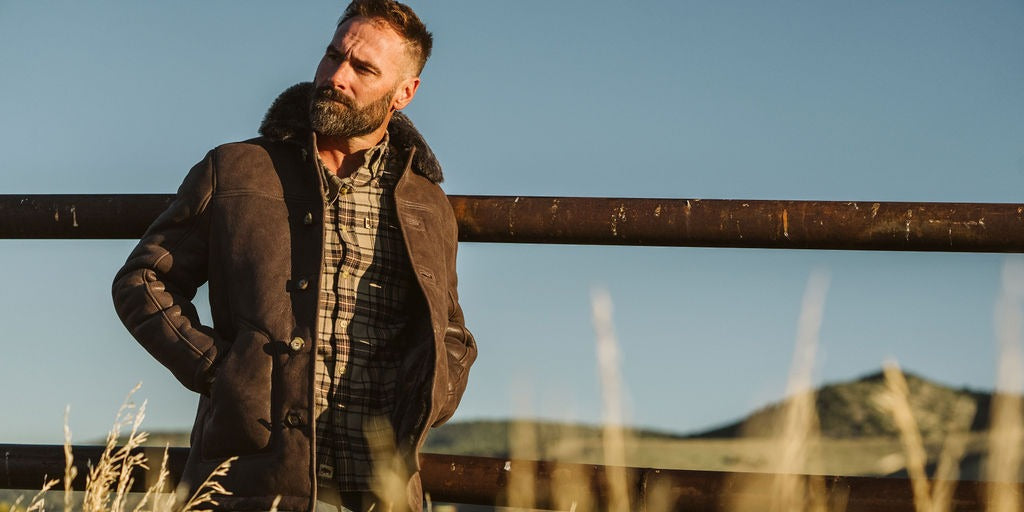
What makes a coat a barn coat, how it differs from chore coats, ranch coats and field jackets, and how shearling, leather and wool barn coats compare for warmth, weather and fit.
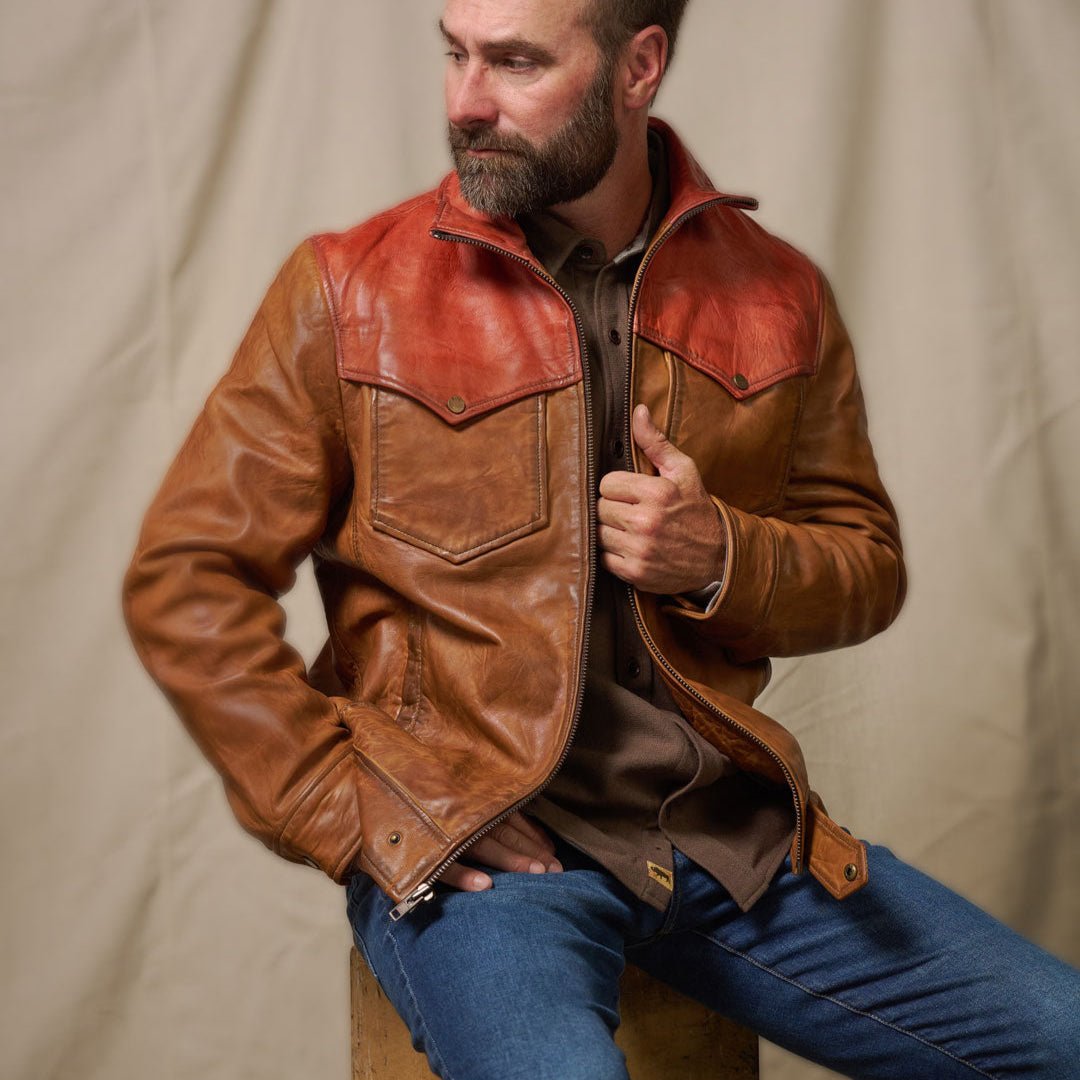
What makes a leather jacket or vest western, how western differs from trucker, moto and bomber cuts, which leather to choose, and how to wear it without looking like a costume.
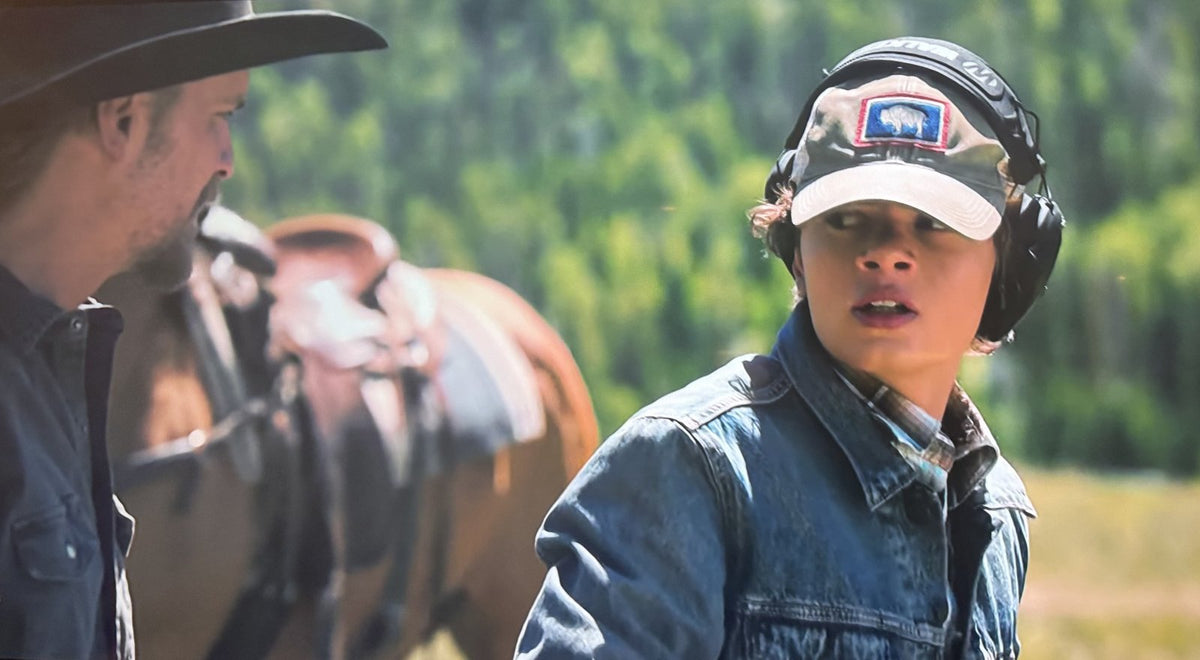
The buffalo flag cap Tate Dutton wears on Yellowstone and Marshals is the Buffalo Jackson Vintage Wyoming State Flag Hat in Green/Grey. The show's team asked us for it after Yellowstone's second season. Here is how to spot the real one.