
Close
CART (0)

A man who has carried a leather weekend bag for forty years is now packing this one for his grandson. That is the actual reason this bag is worth a full article rather than a paragraph on a category page, not a marketing line: the argument for full-grain leather is time, and there is no substitute for someone who has actually put in the time.
A bag carried for four decades does not look new, and it should not. What it shows instead is a surface that has darkened unevenly at the points of most contact, a handle that has softened and molded slightly to the hand that has gripped it, and hardware that has dulled from air and handling but still functions exactly as it did on day one. That is what full-grain leather does when it is actually used across a working lifetime rather than stored, not decline.
The decision to pass a bag down rather than replace it is the clearest evidence available that the leather did its job. A bag does not get handed to a grandson because it looks impressive. It gets handed down because it still works.
The Jefferson is built in full-grain vegetable-tanned cow leather with a wax pull-up finish. The pull-up finish is what gives the leather its characteristic lightening at creases and folds when the bag flexes, a visual effect rather than a flaw, and it is also what makes the surface more resistant to scuffing since the wax works back into light surface marks with handling and gentle heat.
Hardware is YKK solid brass zippers, chosen for the same reason brass hardware runs through the rest of the line: it holds its function under repeated use and develops its own patina rather than corroding. The interior is lined in herringbone cotton, a lining chosen for durability under the friction of packing and unpacking rather than for how it looks on a product photo.
A zippered interior pocket measures 12 inches across by 8.5 inches deep on one side. Two slot pockets, each 9 inches across by 7.5 inches deep, sit on the other.
A separate shoe compartment, sealed off from the main packing space, is the detail that changes how the bag actually gets used on a trip. It means shoes worn for a flight or a drive do not sit against clothing for the rest of the weekend, without needing a separate bag or a plastic sleeve packed alongside everything else. This is a practical answer to a packing problem rather than a design flourish, and it is the kind of detail that shows its value on the second or third trip rather than the first.
The Jefferson runs large, and it looks larger still on a smaller frame. This is worth saying plainly rather than leaving someone to discover it after ordering. A weekend duffle built with enough interior volume for a genuine two or three night trip, plus a dedicated shoe compartment, is not going to read as a compact accessory on anyone. Choosing between this and a smaller bag means weighing actual packing needs against how the bag will sit on the shoulder, not just the trip length on the calendar.
The owner in question bought a leather weekend bag decades ago, before most of the gear marketed as durable today existed as a category at all. He has used it, by his own account, on more trips than he can count, through the kind of repeated handling that either exposes a bag's weak points early or proves there were none to begin with. He is now setting this Jefferson aside, not because the old bag failed, but because he wants the next one waiting when his grandson needs it.
That is a specific kind of endorsement, and it is worth being precise about what it does and does not claim. It does not claim this exact bag will last forty years, since that has not happened yet and cannot be promised in advance. What it demonstrates is the standard the brand is building toward: leather, hardware, and construction chosen because they hold up over that kind of timeline in practice, not because the marketing says they should.
A duffle built to this volume, with a dedicated shoe compartment and full-grain leather throughout rather than a lighter fabric body, carries real weight even before it is packed. That weight is part of the trade-off for durability: a lighter bag built from thinner materials would carry easier empty and show wear faster over years. Carrying this bag any real distance, rather than mostly wheeling it or loading it directly into a car, means factoring that in before packing for a trip.
Empty, the bag weighs 5 pounds 6 ounces and measures 20 inches long by 9.25 inches wide by 11.2 inches high. The shoe compartment itself runs 6 inches high, 9.25 inches wide, and 19.5 inches deep.
Longevity on a scale of decades comes from construction choices that hold up individually over years, not from any single heavy-duty spec, compounding across those years into a bag that is still functional long after a lesser one would have been retired. Full-grain leather that does not crack at the folds, brass hardware that does not seize, stitching that does not give at the seams under repeated packing and unpacking: none of these guarantee forty years on their own, but each one is a condition that has to be met for forty years to be possible at all.
The handle is attached using a woven leather technique chosen for structural integrity. Hardware is antique brass, and the zipper is a YKK extended brass zipper. A one-year warranty covers stitching, hardware, and structural defects, with normal patina, scratches, and wear marks explicitly carved out as expected aging rather than defects, a distinction worth noting since it is a specification rather than an assurance.
None of this happens without maintenance. Condition the bag with a neutral leather conditioner at least once a year, more often in a dry climate. Blot spills with a dry cloth rather than rubbing them, and air dry away from direct heat. That interval, not a one-time treatment at purchase, is what keeps a bag usable for decades, and it matches the leather bag care schedule Buffalo Jackson recommends across its leather bags, so nobody carrying more than one piece needs to remember a separate routine for each.
The character that develops on a bag like this over years, the color change, the softened grain, the general sense of a bag that has been somewhere, is patina, and it works the same way on every full-grain leather piece the brand makes, not just this one, which is worth knowing before mistaking early wear for damage.
A bag built to last decades is also a bag that gets packed and unpacked hundreds of times over its life, which is a different kind of stress than a single long trip. How a bag is packed affects how evenly it wears: overloading one side repeatedly will eventually show in the leather and the stitching on that side before the rest of the bag shows comparable wear, a pattern the packing fundamentals apply to any duffle, leather or otherwise, more than this piece needs to restate.
A bag sized for two or three nights, with a full shoe compartment, is more than a single overnight needs. Someone traveling for one night with no need to pack shoes separately may find a smaller bag a better daily fit, and that is a legitimate reason to look elsewhere in the range rather than default to the largest option available. This piece makes the case for what this specific bag does well: longer trips, where the shoe compartment and the extra volume actually get used, rather than the broader claim that bigger is automatically better.
Not every bag is built with the expectation that it will outlive its first use case. This one is, and the honest way to say that is through what actually happens to leather over decades rather than through a promise about how long it will last. What a grandfather storing this duffle for a grandson actually proves is what full-grain leather, wax pull-up finish, and solid brass hardware do when they are used and maintained across a working life. That is the only kind of proof this brand is in a position to offer, not a guarantee.

Written by
Xan Hood
Founder and CEO of Buffalo Jackson, a heritage leather goods and outerwear brand started in 2009. Xan leads product development personally and writes about full-grain leather, craftsmanship, and heritage apparel from 17 years of firsthand experience.
More about Xan →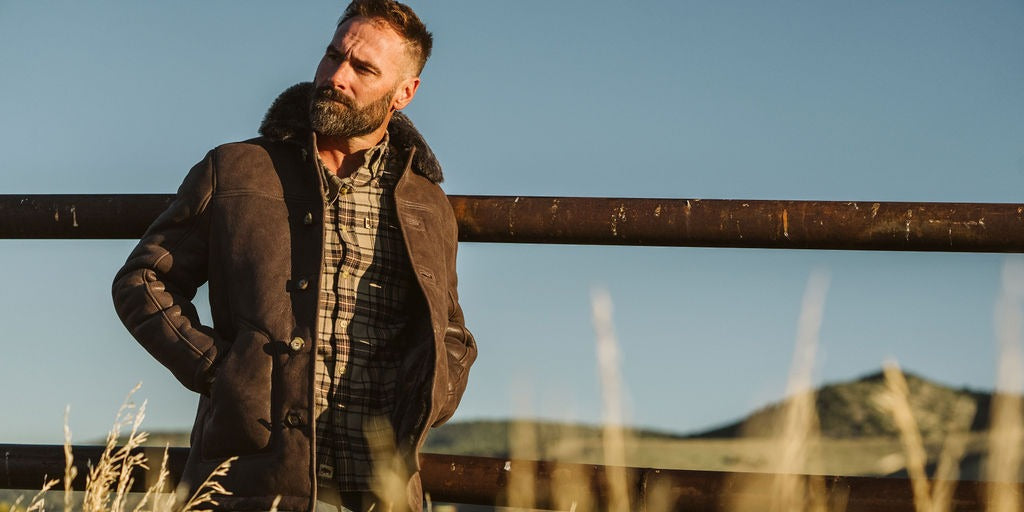
What makes a coat a barn coat, how it differs from chore coats, ranch coats and field jackets, and how shearling, leather and wool barn coats compare for warmth, weather and fit.
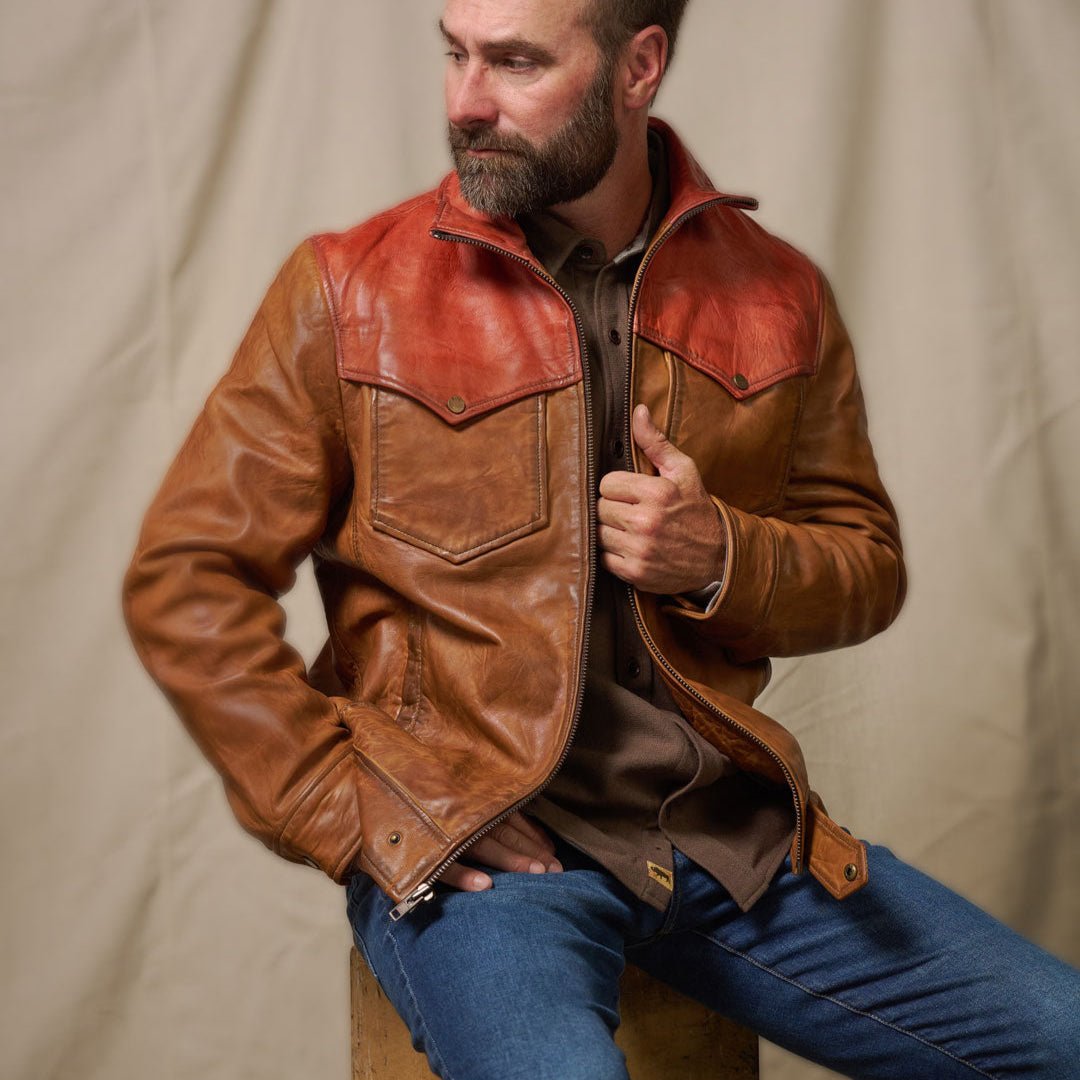
What makes a leather jacket or vest western, how western differs from trucker, moto and bomber cuts, which leather to choose, and how to wear it without looking like a costume.
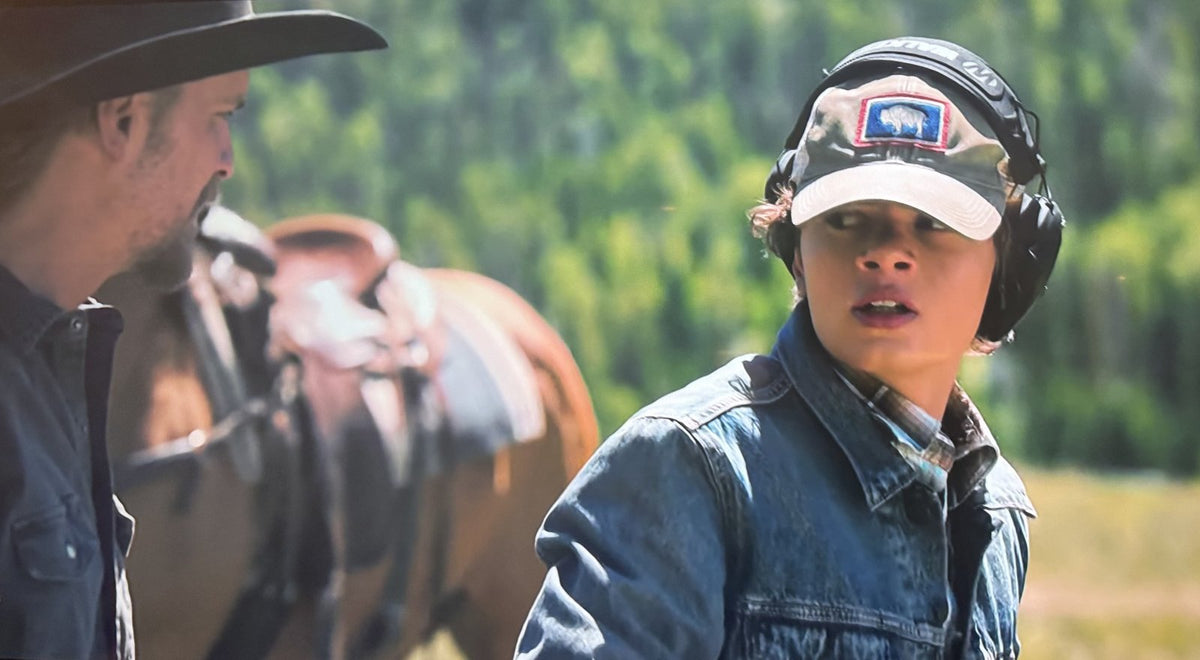
The buffalo flag cap Tate Dutton wears on Yellowstone and Marshals is the Buffalo Jackson Vintage Wyoming State Flag Hat in Green/Grey. The show's team asked us for it after Yellowstone's second season. Here is how to spot the real one.