

Close
CART (0)

A full-grain bifold works cleanly at six to eight cards. Past that, the fold no longer closes flat, and the stitching along the card slots starts carrying weight it was not cut for. The number is not a style preference. It is a function of hide thickness and how many layers of leather are asked to bend at the same crease. That is the number worth checking against the leather wallets range before choosing a format, since capacity is what decides whether a wallet still works a year from now, not how it looks on day one.
Each card slot is a folded and stitched layer of leather. Add a card, add a layer. A full-grain hide, thicker and denser than a top-grain or corrected hide, holds its shape through six or seven layers before the fold starts to bow outward at the spine. Push past that and two things happen: the wallet stops closing flat, and the outer seam takes on load it was not stitched to hold.
Thinner leather bends further before it resists, which is why a thin hide can technically hold more cards and still close. The trade-off is durability at the fold line. Thick leather resists longer per layer but reaches its ceiling in fewer cards. There is no version of this that lets a wallet hold twelve cards and close flat without one of those two things giving first.
The stitching along a card slot does the real work, not just the decorative edge: it keeps the slot's mouth from spreading every time a card goes in or comes out. Under six or seven cards, that seam flexes within its design tolerance. Past it, the seam is pulled open on every use, and thread wears at the same points repeatedly rather than distributing the load across the row.
Triple-sewn edges buy margin here, since three passes of thread share the strain instead of one pass alone, a construction standard Buffalo Jackson applies across its leather goods generally. But margin is not immunity. A wallet stitched to hold eight cards and asked to hold twelve will fail at the seam well before the leather itself wears through.
A front pocket bifold or a card case built for four to six cards sits flat in a front pocket and does not print through denim. A back pocket bifold built for six to eight cards, plus a bill compartment, is the upper end of what holds its shape through a normal day of sitting, walking, and pulling cards in and out.
The Roosevelt Leather Slim ID Wallet, in full-grain water buffalo hide, holds an ID window plus three card slots, sized to 4 inches long, a quarter inch thick empty, at 1.1 ounces. That is a front pocket card case, not a back pocket bifold, and its low card count is by design rather than a limitation. The Dakota Bifold Leather Wallet, in vegetable-tanned top-grain leather, runs six card slots (three on each side) plus a bill compartment, at 3.5 inches high by 4.25 inches wide, stitched with nylon thread rather than leather-only construction. That is the six-to-eight-card back pocket bifold this article is describing.
A bifold with a center bill compartment eats into the same fold budget as the card slots, since the bill compartment is itself another layer folding at the spine. A wallet built for six card slots plus a bill compartment is working with roughly the same total bulk as a card-only case built for seven or eight slots. That is why a bifold's practical card ceiling tends to sit a slot or two below a dedicated card case of the same leather and thickness. A spec sheet counted without factoring in the bill compartment will overestimate what the wallet actually holds comfortably.
Full-grain leather has some give, but it is not elastic in any useful sense. A new wallet will feel like it accepts an extra card or two beyond its built number, because the leather has not yet set into its working shape. That give disappears within the first few weeks of carry, as the fold settles into the crease pattern it will hold for the rest of its life. Judging a wallet's true capacity from how it feels in the first week is a common mistake, since the wallet that feels roomy new is the same wallet that will feel tight at six months once the leather has set.
A card slot mouth that gapes open when empty, rather than sitting closed, has been stretched past its working range. A fold that no longer closes flush, leaving a visible wedge at the spine, is carrying more layers than it was built for. Loose or slightly raised stitching at the edge of a card slot, even before a thread visibly breaks, is the seam signaling it has been under sustained load. None of these are cosmetic issues. Each one is the wallet telling its owner it needs fewer cards, not a repair.
Ten or twelve cards in a leather bifold is achievable for a while. It is not achievable indefinitely. The leather will eventually stop returning to a flat fold, and the stitching will show wear at the slot openings before it shows wear anywhere else on the wallet. Six to eight cards, in a full-grain wallet with reinforced seams, is the number that holds up over years rather than months.

Written by
Xan Hood
Founder and CEO of Buffalo Jackson, a heritage leather goods and outerwear brand started in 2009. Xan leads product development personally and writes about full-grain leather, craftsmanship, and heritage apparel from 17 years of firsthand experience.
More about Xan →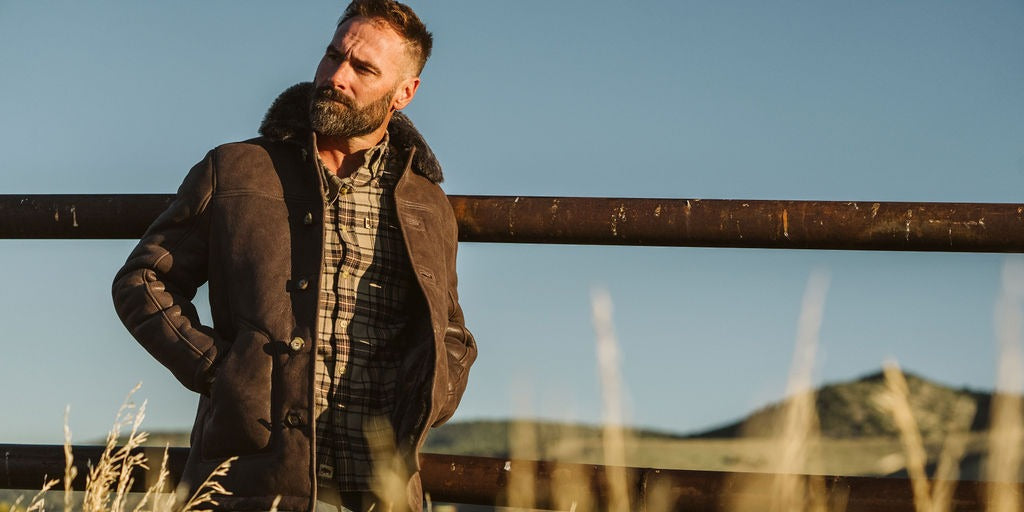
What makes a coat a barn coat, how it differs from chore coats, ranch coats and field jackets, and how shearling, leather and wool barn coats compare for warmth, weather and fit.
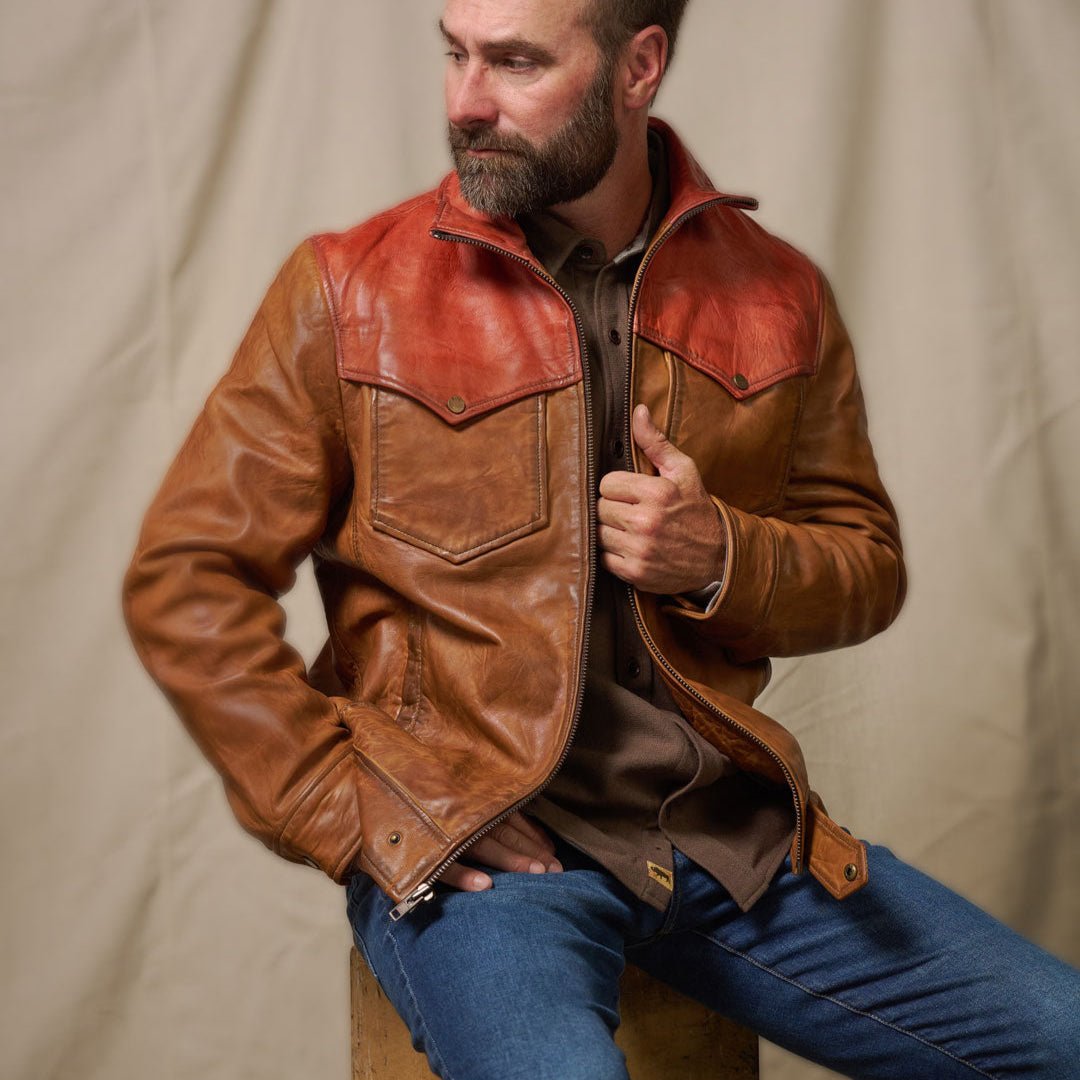
What makes a leather jacket or vest western, how western differs from trucker, moto and bomber cuts, which leather to choose, and how to wear it without looking like a costume.
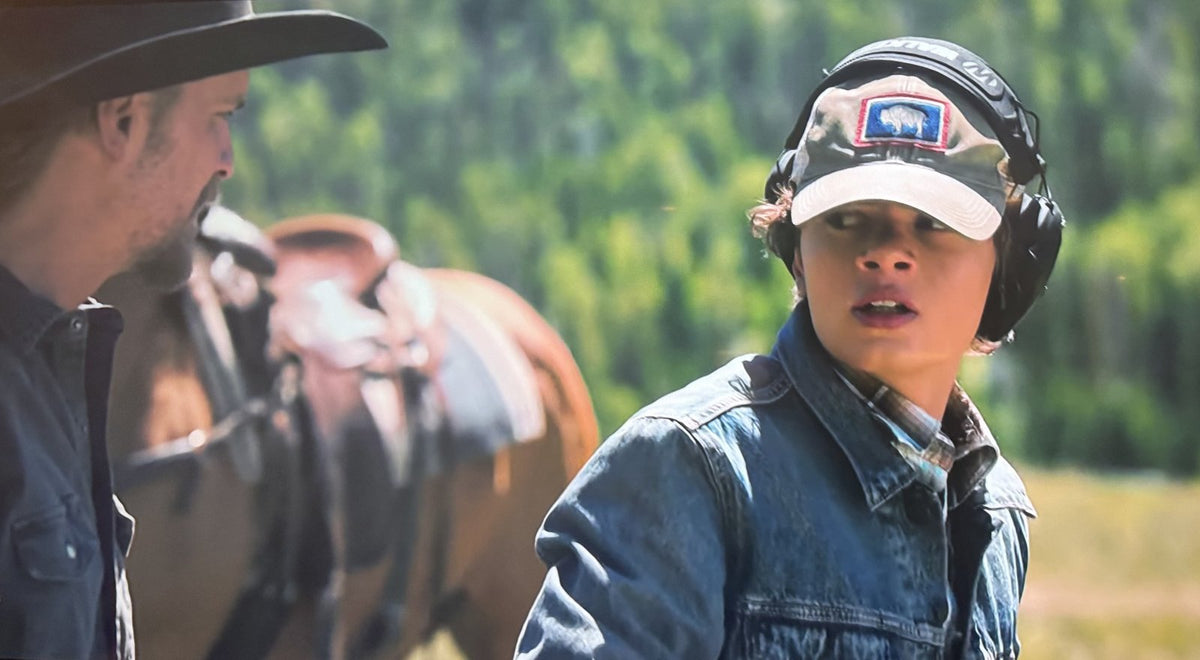
The buffalo flag cap Tate Dutton wears on Yellowstone and Marshals is the Buffalo Jackson Vintage Wyoming State Flag Hat in Green/Grey. The show's team asked us for it after Yellowstone's second season. Here is how to spot the real one.