
Close
CART (0)

The Buffalo Jackson Field Notes
The honest trouble with "real or fake" is that the worst leather jackets are real.
"Genuine leather" is technically a real material. It is also near the bottom of the grade, a low and processed cut of hide dressed up with a confident name. So a jacket can pass every "is it real" test you have ever heard and still be a poor jacket. Before you learn to test for real, learn to test for good. This guide does both. Hopefully I can help here.
In building a heritage leather and outerwear brand for seventeen years and designed the jackets myself. What follows is what I actually check when leather is in my hands, and what I wish every buyer knew before they spent a dollar.
Almost every bad leather-buying decision comes from not knowing what the label words mean. There are four you will see, and they are not marketing flourishes. They describe real and different things.
Full-grain is the top layer of the hide, left as it came off the animal. Nothing sanded away, nothing stamped over it. The pores, the small marks, the natural grain are all still there. It is the strongest part of the hide and the only grade that earns a true patina. A full-grain jacket outlasts the person who buys it.
Top-grain is the next layer down. The surface has been lightly sanded to remove imperfections, then often finished with a coating. It is honest leather and perfectly serviceable. It just will not develop the same depth of character over the years. It stays roughly the way you bought it.
Genuine leather is the warning sign. Despite the reassuring name, it is a low grade made from the layers left after the better cuts are split away. It is real leather in the dictionary sense and a poor choice in every sense that matters.
Bonded leather is barely leather at all. It is leather scraps ground up, glued, and pressed into a sheet, then given a fake grain. It peels and flakes within a few years. Avoid it entirely.
If you remember one thing from this article, remember this. The grade matters more than the brand, the color, or the cut. Get the grade right and most other decisions sort themselves out.
Once you understand grade, here is how to read a jacket with your own senses.
Smell it. Real leather smells like leather, warm and earthy and faintly like an old book. Synthetic smells like plastic or chemicals. Your nose is faster and harder to fool than your eyes.
Look at the grain. Real leather has small irregularities. Pores, faint scars, slight variation across the panel. It is the record of an animal that lived. Fake leather has a grain that repeats, because a machine stamped the same pattern over and over. Find the repeat and you have found the fake.
Press it. Push a thumb into the surface. Real leather wrinkles and creases around the spot the way skin does, then settles. Synthetic stays flat and stiff, or springs back like foam. This one check separates most real hides from most imitations.
Check the cut edge. Look at a raw edge, a cuff or a hem or the underside of a strap. Real leather is slightly rough and fibrous and the same color through its full thickness. Synthetic edges look clean and even, and you can often see a fabric backing where the coating ends.
Mind the price. Real, well-made leather has a floor it cannot drop below. If a leather jacket costs less than a nice dinner out, the math does not work. Something in that jacket, the hide or the labor or the hardware, is not what the label implies.
You have probably heard of the burn test. Touch a flame to a hidden spot, and real leather chars while synthetic melts. You may also have heard of the cut test or the water-drop test. These work, more or less. But they damage the jacket, and you should not take a knife or a lighter to something you might want to keep and wear for thirty years. The five checks above will tell you what you need to know and leave the jacket intact. Save the burn test for a scrap, never a garment.
Here is the part that matters most, and the part the inspection guides leave out. Once you can read a hide, the next question is not what but whom.
If you can afford it, buy a leather jacket for life, and buy it from a company that has been around a long time. The cheap, fast websites exist for a reason. They sell a jacket once and never expect to hear from you again. Their incentive ends at checkout. A reputable brand with years behind it is in a different position entirely. It has to make a jacket good enough that it is still worth wearing, and still worth standing behind, long after you have paid. That pressure shows up in the leather and the stitching, whether you can see it on day one or not.
This is the standard we hold ourselves to at Buffalo Jackson. We will tell you the grade of every hide we use, the weight of the leather, and how the jacket is put together, plainly and without hedging, because a buyer who knows what to ask deserves a straight answer. That is the test of a good maker. Not whether they can sell you a jacket, but whether they will tell you the truth about it.
When you cannot remember the grades, the checks, or any of it, do this. Ask the seller one question. Is this full-grain, top-grain, or genuine leather?
A maker who knows their product will answer plainly and immediately. A seller who gets vague, changes the subject, or buries you in marketing language has already told you everything you need to know. Real or fake is the easy question. Good or not, and from whom, is the one that matters.
Is "genuine leather" real leather?
Yes, technically, but that is the trap. "Genuine leather" is a real material and also one of the lowest grades. It is made from the lower layers of the hide left after the better cuts are removed. It is genuinely leather and genuinely not very good.
What is the best grade of leather for a jacket?
Full-grain. It is the top layer of the hide with the natural grain intact, it is the most durable, and it is the only grade that develops a rich patina over time. Top-grain is an acceptable step down. Avoid "genuine" and "bonded" leather for anything you want to keep.
How can I tell real leather from fake without damaging the jacket?
Use your senses rather than tests that mark the jacket. Smell it, since real leather smells earthy rather than chemical. Look closely at the grain for natural irregularities versus a repeating machine pattern. Press a thumb into it to see if it creases like skin. Check a raw edge for a fibrous texture. Avoid the burn test and cut test on any jacket you intend to keep.
Why are real leather jackets so expensive?
A real, well-made leather jacket reflects the cost of quality hide, skilled labor, and durable hardware. Genuine full-grain leather is a limited material and the construction is labor-intensive. A very cheap "leather" jacket has had cost cut somewhere, usually in the grade of the hide or the quality of the stitching and zippers.
Is a more expensive leather jacket always better?
No. Price is a floor rather than a guarantee. A high price does not promise quality, but a very low price almost always signals its absence. Use the grade and construction checks regardless of price, and buy from a maker who will answer questions about both.
Built to Roam

Written by
Xan Hood
Founder and CEO of Buffalo Jackson, a heritage leather goods and outerwear brand started in 2009. Xan leads product development personally and writes about full-grain leather, craftsmanship, and heritage apparel from 17 years of firsthand experience.
More about Xan →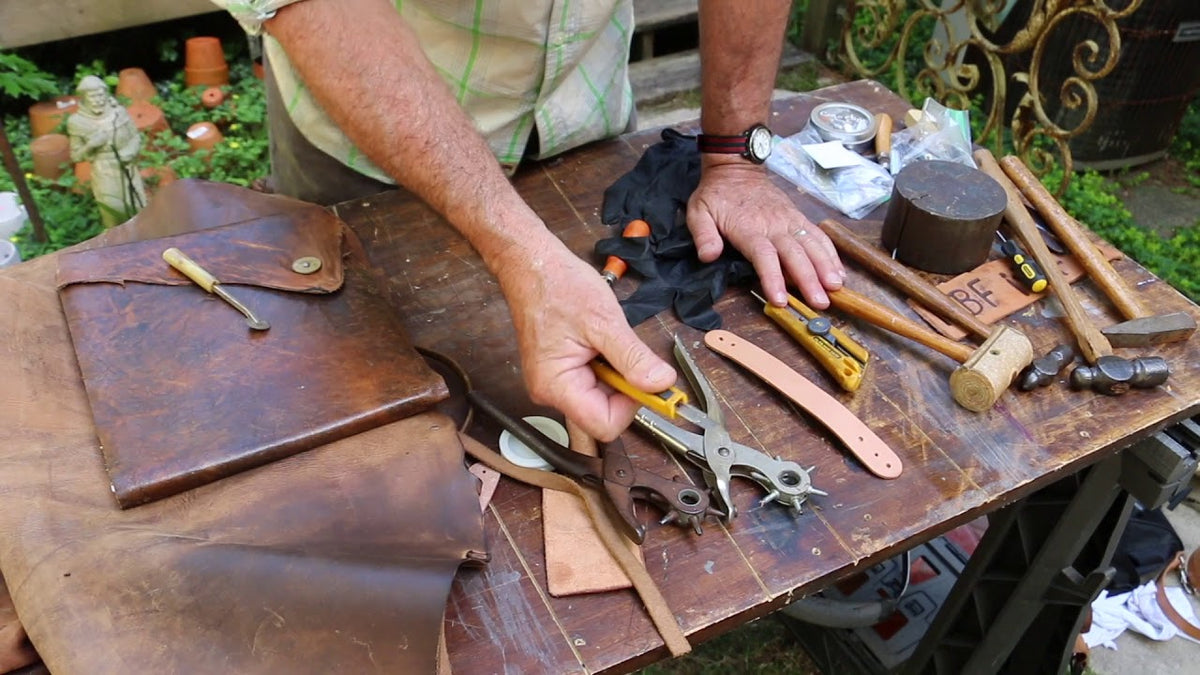
The tools and steps for simple leather bag repairs at home: punching a new strap hole, setting a rivet, slicking an edge, and knowing when to call a pro.
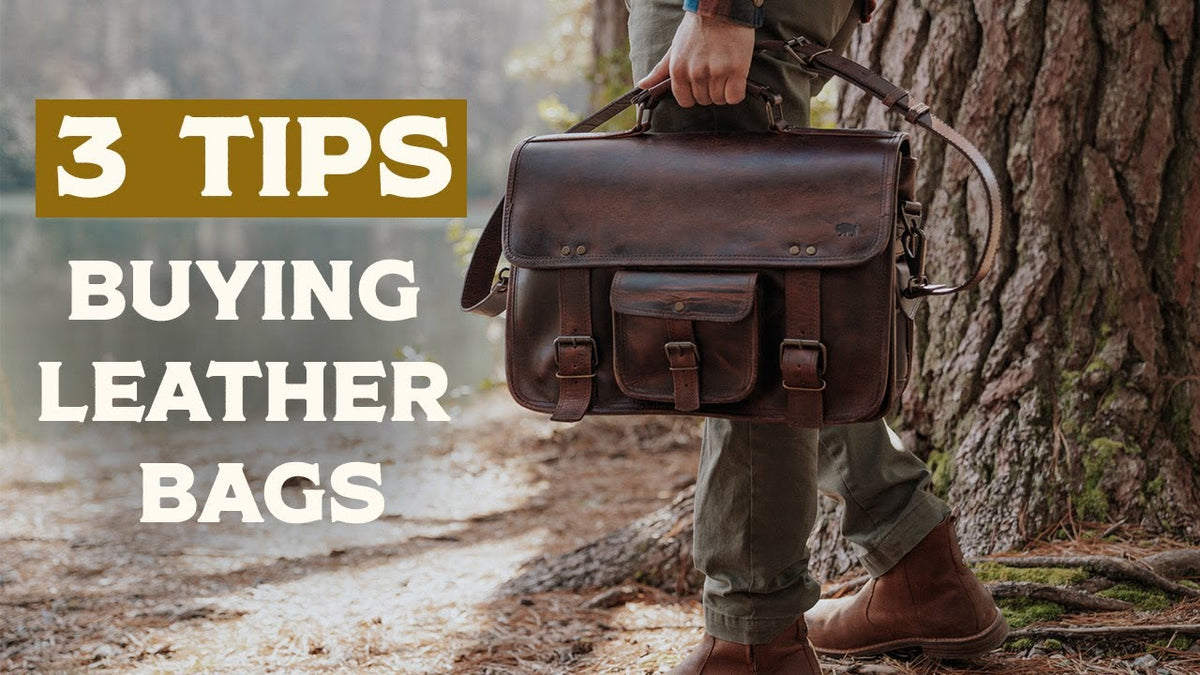
Three things to check before you buy a leather bag: the grade of leather, the hardware, and whether the style fits how you'll use it.
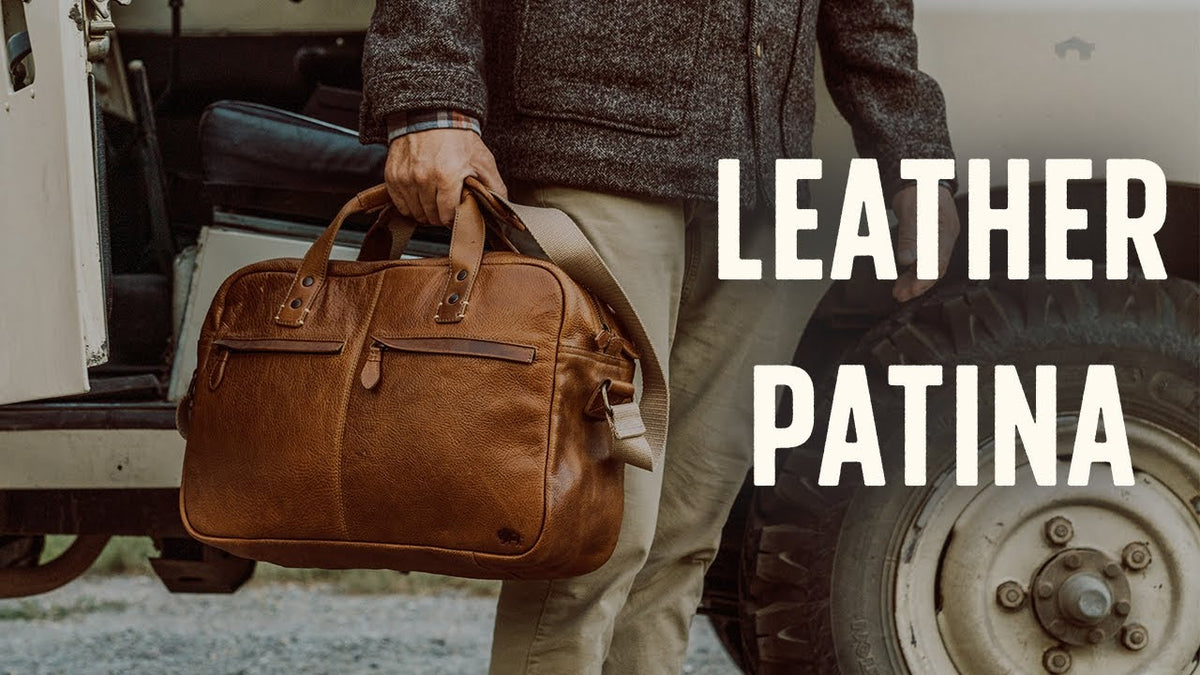
What leather patina is, what causes it, and 6 steps to develop a rich patina on full-grain leather, with our video.