

Close
CART (0)

A back pocket wallet needs to survive being sat on. A front pocket wallet needs to survive being folded against a thigh in a narrower space. Those are different jobs, and a wallet built for one does not automatically do the other well, which is worth knowing before choosing from the leather wallets range by looks alone.
A back pocket wallet spends most of its day bent in a curve that follows the body, then flattened again when it comes out. Full-grain leather returns to flat after that cycle for years, provided the hide has enough body to begin with. A back pocket wallet also needs enough structure at the spine to keep the fold from collapsing sideways when someone sits down repeatedly, which is where reinforced or triple-sewn edges earn their place.
A front pocket wallet or card case is not bent the same way. It sits flatter, closer to the body, in a tighter space next to keys or a phone. The construction pressure here is different: less flexing under body weight, more resistance to the wallet working its way loose or wearing thin at the corners from repeated contact with pocket seams.
Back pocket carry wears a wallet at the spine and the outer corners first, from the repeated bend-and-flatten cycle and from sitting on it. Front pocket carry wears a wallet at the edges and the card slot openings first, from the tighter, more constant pressure of a smaller pocket. Neither wear pattern is better or worse. They are just different loads on different parts of the same construction.
The Dakota Bifold Leather Wallet is built as a back pocket bifold. The Roosevelt Leather Slim ID Wallet is built as a front pocket format. Leather grade differs by line: Dakota runs top-grain, Roosevelt runs full-grain.
Front pocket wallets are built smaller by design, which caps card capacity lower than a back pocket bifold, typically four to six card slots rather than six to eight. That is not a shortcoming. It reflects the pocket, not the wallet's quality. Anyone trying to carry eight or nine cards in a front pocket format will feel it working against the pocket seam within a week.
Back pocket bifolds carry more, generally six to eight cards plus a bill compartment, because the pocket has more room and does not require the wallet to sit flat against a smaller surface.
This is the trade-off people notice first and adjust for last. A back pocket wallet, however well built, changes how a chair seat sits under someone for the hours they are seated. A front pocket wallet removes that problem entirely, at the cost of lower card capacity and a format some people are not used to carrying.
A back pocket wallet moved to a front pocket typically feels too thick, since it was built with the added bulk of a bill compartment and a deeper card stack in mind. A front pocket wallet moved to a back pocket loses the structure it needs to survive being sat on, since it was built thinner on purpose and was never meant to carry that kind of repeated compression. Trying to make one wallet do both jobs usually means it does neither one particularly well, and the wear shows up faster in whichever pocket it was not designed for.
A back pocket wallet benefits from a slightly heavier hide, since it needs to resist the sustained pressure of sitting without losing its shape. A front pocket wallet can run thinner, since it is not absorbing that same load, and a thinner hide keeps the smaller format from adding bulk it does not need.
The Dakota Bifold Leather Wallet is built for back pocket carry, in vegetable-tanned top-grain leather, with six card slots (three on each side) and a center bill compartment. The Roosevelt Leather Slim ID Wallet is the front pocket format, in full-grain water buffalo leather, built to an ID window plus three card slots, without the added bulk of a bill compartment. The Ryder Reserve Bison Leather Billfold sits at the back pocket end too, in full-grain bison leather with an ID slot and four card spaces, a step up in card count from the Dakota for anyone who wants a back pocket wallet built to carry more than the everyday minimum.
Anyone moving from a back pocket wallet to a front pocket one for the first time usually notices the lower card capacity before anything else, and trims down to essential cards out of necessity rather than choice. That adjustment period is normal and typically settles within the first couple of weeks, once the habit of carrying fewer cards becomes automatic rather than a daily inconvenience. The reverse switch, front pocket to back, tends to go faster, since carrying more cards is rarely something people resist.
There is no format that does both jobs equally well. A wallet built to survive being sat on all day is not built to disappear in a front pocket, and a wallet built to sit flat in a front pocket is not built to carry a full week's card and cash load. Choose based on where the wallet actually spends its day, not on which one looks better in a photo.

Written by
Xan Hood
Founder and CEO of Buffalo Jackson, a heritage leather goods and outerwear brand started in 2009. Xan leads product development personally and writes about full-grain leather, craftsmanship, and heritage apparel from 17 years of firsthand experience.
More about Xan →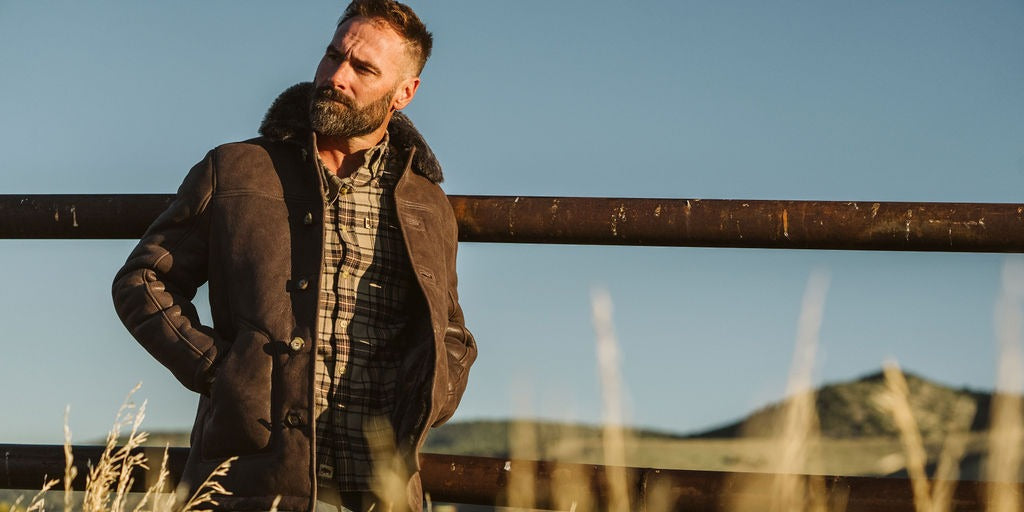
What makes a coat a barn coat, how it differs from chore coats, ranch coats and field jackets, and how shearling, leather and wool barn coats compare for warmth, weather and fit.
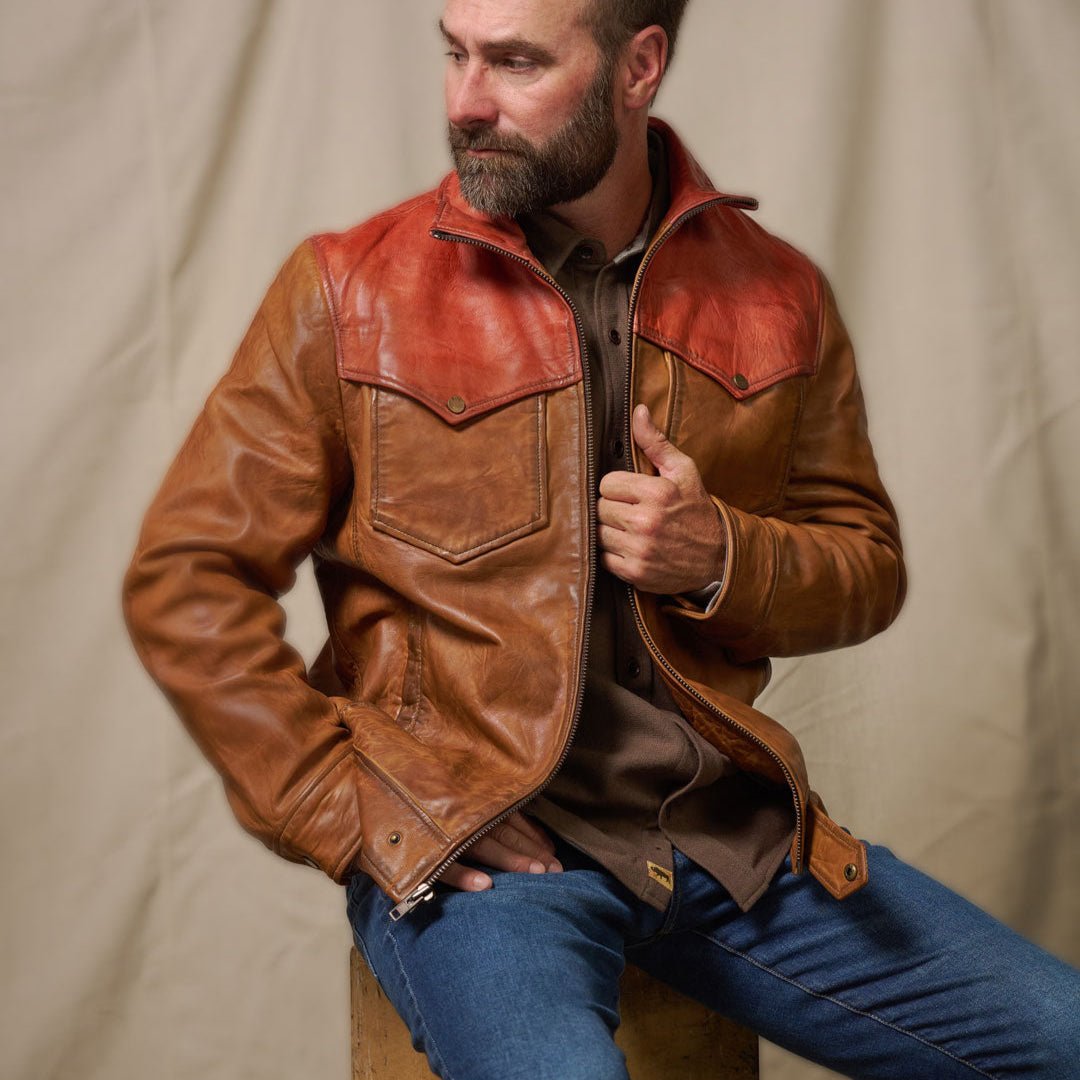
What makes a leather jacket or vest western, how western differs from trucker, moto and bomber cuts, which leather to choose, and how to wear it without looking like a costume.
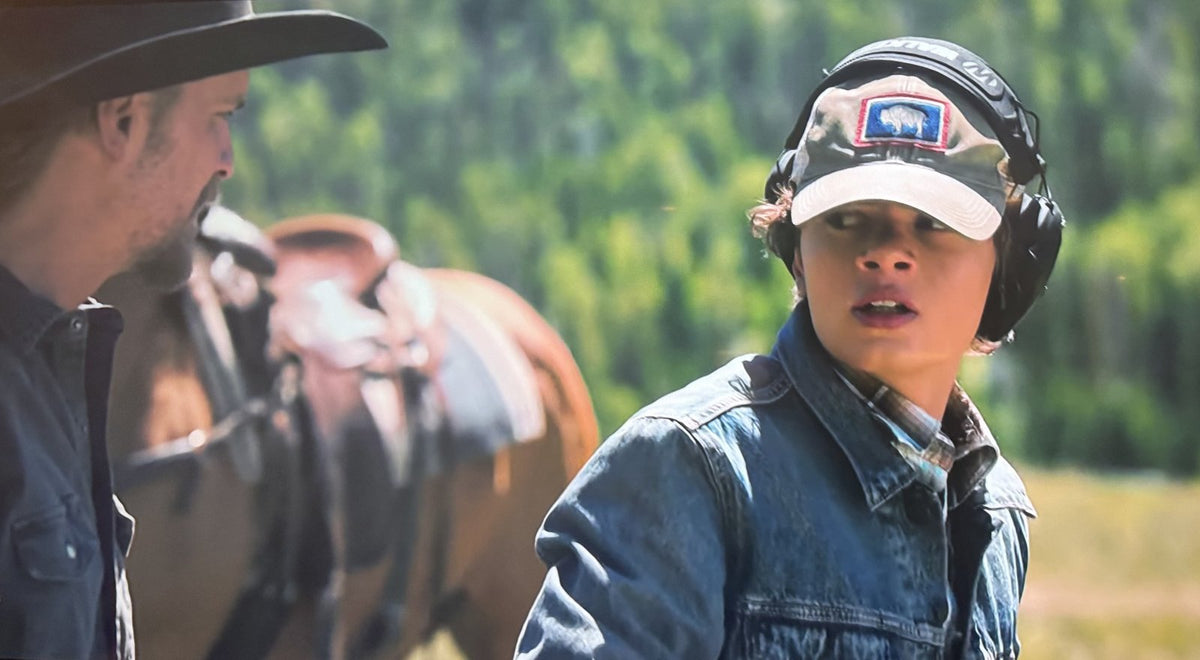
The buffalo flag cap Tate Dutton wears on Yellowstone and Marshals is the Buffalo Jackson Vintage Wyoming State Flag Hat in Green/Grey. The show's team asked us for it after Yellowstone's second season. Here is how to spot the real one.